
Why We’re Obsessed With Testing Our IR Lamps
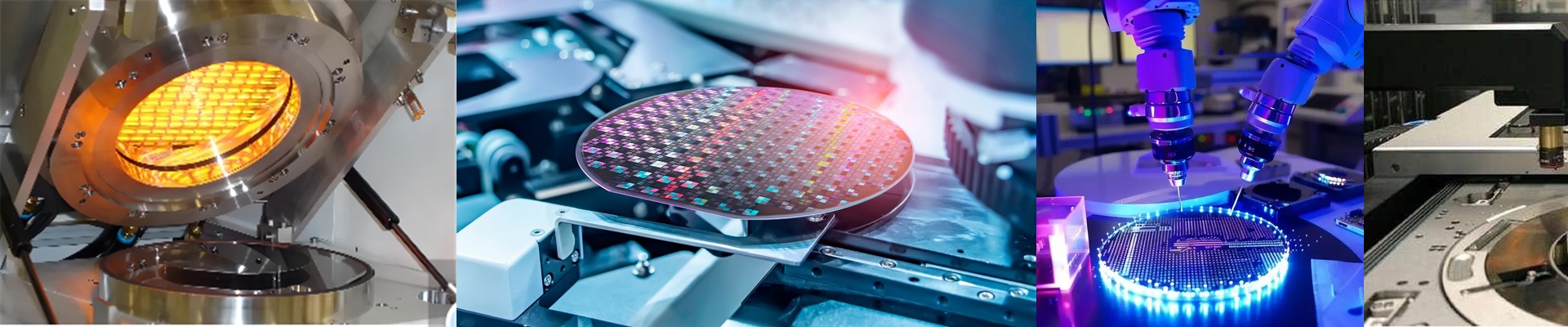
Making bio-sensors is a delicate game. You need heat, and you need it to be exact. We use specialized infrared lamps to get that thermal profile just right, but there’s a catch: high heat density is a recipe for electrical leaks. One tiny insulation failure and you’re looking at a blown controller or, even worse, a whole batch of ruined sensors. That’s a lot of wasted time and money.
No Spot-Checks. Period.
We don’t believe in “sampling” a few tubes to see if the batch is okay. We put every single lamp through a high-voltage withstand test (HiPot) and a full insulation resistance check before it ever leaves our shop. 100% of them. We’re hunting for the stuff you can’t see—microscopic cracks in the quartz or tiny impurities in the seals. See, if a lamp has a pinhole leak, the halogen gas escapes and the filament burns out in a matter of hours. But the real nightmare is when electricity leaks into your machine’s chassis. Nobody wants that.
The Trade-off
Most lamps fail at the transition where the seal meets the lead. To stop that from happening, we use high-purity quartz and very specific sealing temperatures to keep things from carbonizing. The result? A lamp that won’t short out when you put it under load. But here’s the deal: because we’ve tightened these tolerances so much, the tubes are a bit more sensitive to being handled roughly. Please,**don’t drop these.**And be gentle when you’re installing them. If you apply uneven pressure to the ends, you might break the very seal we worked so hard to perfect.
Keeping Your Rig Running
At the end of the day, the electrical safety of your lamp is what determines your uptime. When you know the insulation is solid, you can trust that the current is staying in the filament where it belongs—not leaking into your bio-sensor substrates. It means fewer tripped breakers, no erratic heating cycles, and a lot less stress for you.