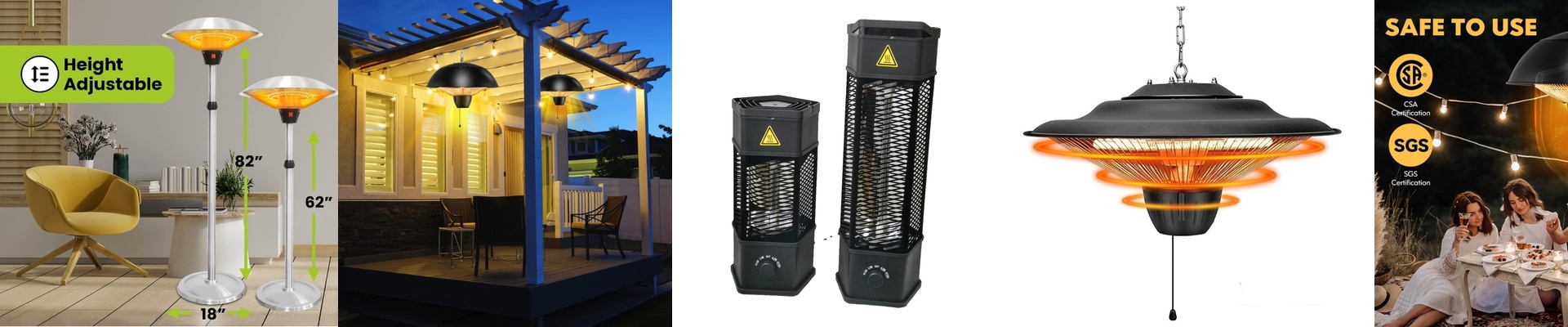

The true test of a smart home heating setup isn’t the app or the number of sensors—it’s how it performs when the weather shifts and the heat has to respond in minutes, not hours. If the system keeps a massive element hot just to deliver a small bump, energy use quietly climbs. You feel the warmth, but the utility bill tells a different story.
What actually matters under the hood
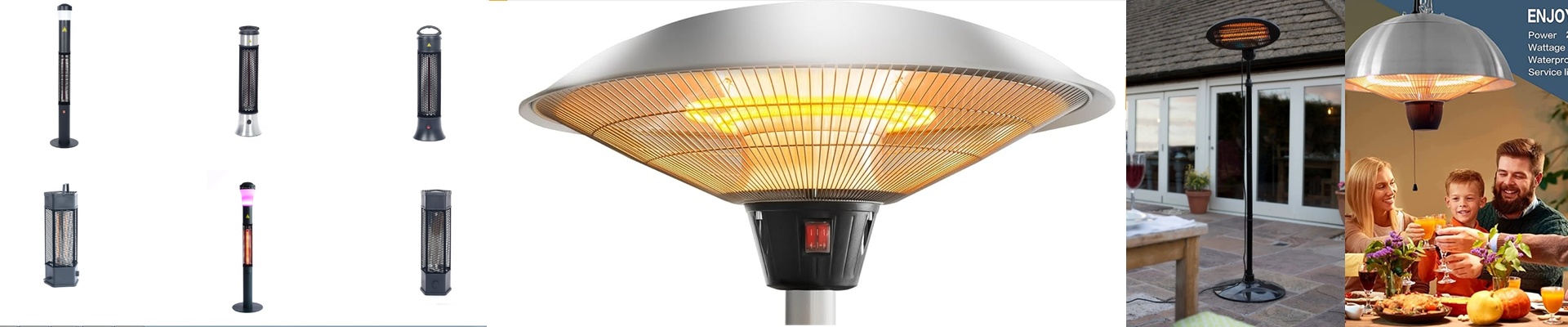
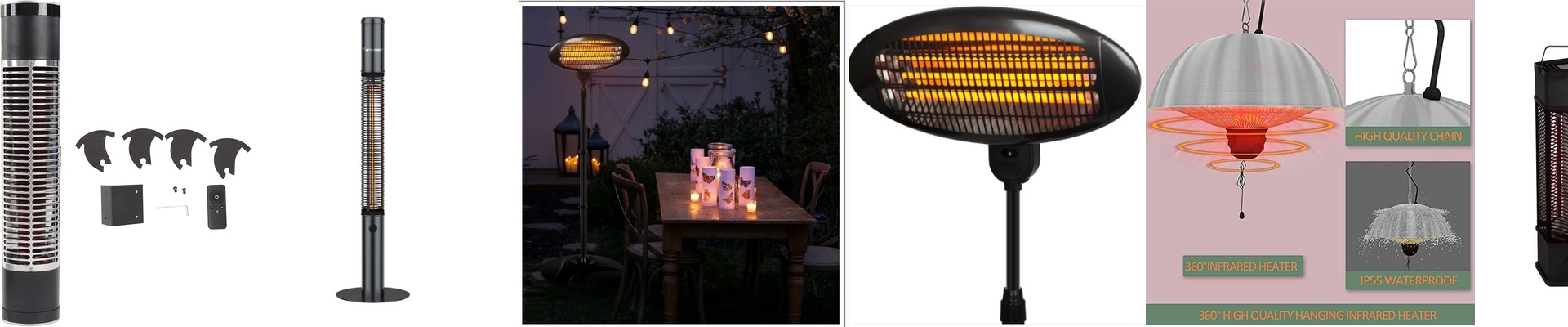
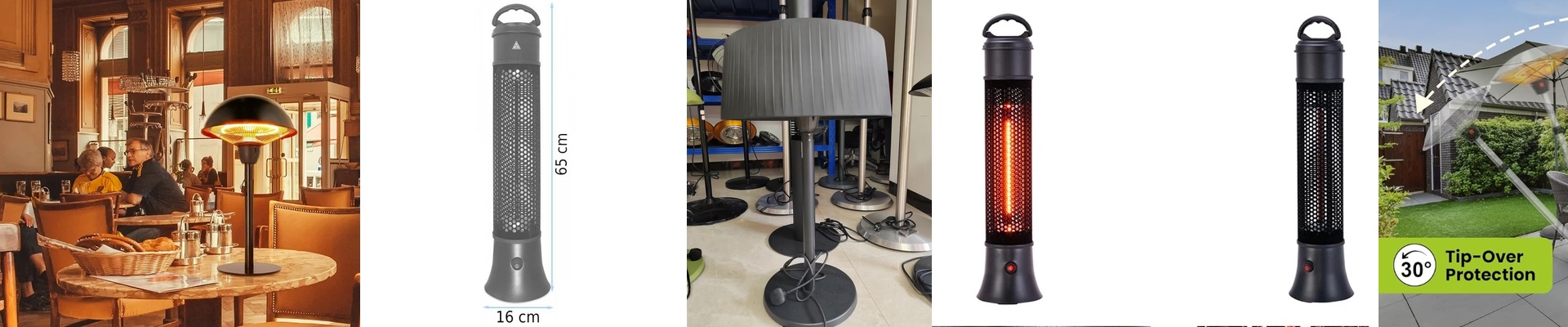
Infrared warmth from low heat inertia elements changes the whole dynamic. The heating medium is the element itself, not a big mass you have to preheat. Carbon fiber and quartz tubes heat fast and cool fast, so the system can run shorter, sharper cycles. For bulk buy patio heaters, that translates to electric infrared heaters that deliver radiant heat on demand—often hitting full output in seconds—while drawing only what’s needed at the moment. The payoff is precise control, with a thermostat that isn’t chasing lag, and an outdoor electric heater you can tune to occupancy, time of day, and outdoor temperature without waste.
Why this fits in a smart home
In a connected household, you want comfort that follows you, not heat that blankets empty space. Infrared space heaters with low heat inertia are at their best in living rooms, covered patios, and transition zones where air temperature swings quickly. They warm people and surfaces directly, so the space feels comfortable at a lower air temperature. That supports smart energy use: heat only when needed, and stop almost immediately once conditions are met. For families, that means fewer drafts, less dry air, and a steadier feel—cozy without the jolt of a system that overshoots.
The practical stuff
Infrared heat is directional, so placement matters. Aim the unit to cover seating areas, and keep the radiant path clear of obstructions. For outdoor use, choose an electric heater rated for the environment—look for protective housing and the right IP rating for damp or wet conditions. Pair the heater with a smart plug or thermostat to capture the efficiency gains, and keep an eye on total circuit load when you’re running multiple units.