Sunlike Infrared Heaters: The Real Deal, From Start to Finish
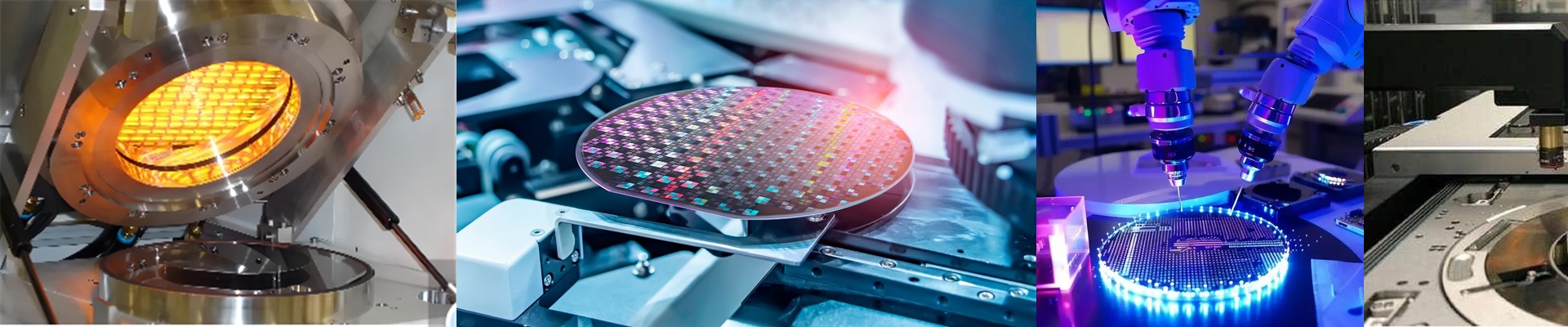
We built the Sunlike infrared heater for one reason: to give industrial processes the heat they need, exactly where they need it. No wasted energy heating the whole room. Just pure, focused warmth that gets the job done. Its heart is a high-intensity halogen lamp, designed for speed and precision. The kind of heat that responds instantly when you need it, and gives you pinpoint control over the temperature.
The Power Behind the Heat
Let’s talk specs, but the real-world kind. We run this heater on 400V. That’s not just a number on a datasheet—it means you can pack a ton of power into a small space. The kind of heat density that industrial work demands. And it’s built to work with the power systems already in your plant, so you get stable performance without worrying about energy loss over long runs. The 300mm tube length? That’s a deliberate choice. It’s the sweet spot between giving the element enough surface area to really shine and fitting it into the tight spaces inside your machinery. The wattage is tuned to that length, too. So you get maximum infrared output, not just a bright light.
What’s Inside Counts
The heating element lives inside a quartz tube. Why? Because it can take the heat—and the sudden shocks—without breaking. It’s built for the long haul. Inside, the halogen cycle does the heavy lifting. It lets the filament run hotter for longer, which translates to more short-wave infrared energy. That same cycle keeps the tube clear, so you get consistent output day after day, year after year. And when it comes to the connection, we use an R7s base. It’s the standard for a reason. Solid, reliable, and designed to handle high current without getting hot at the terminals.
Built for the Work, Not the Words
This heater was made for engineers who need gear that just keeps going. The high heat density means it heats up fast. That alone can cut down cycle times and keep your equipment moving. And because we use the R7s connector, it’s a simple drop-in replacement on compatible machines. Less downtime. Less headache. The beauty is in how it works: it sends focused infrared energy straight to the target—like the preform in a PET blowing machine. Not into the air around it. It’s direct. Efficient. But here’s the catch: that concentrated output generates heat. So you do need to make sure the surrounding machinery has proper cooling. It’s not a drawback—it’s just part of the setup. Get the cooling right, and everything runs smoother, cooler, and more reliably.