
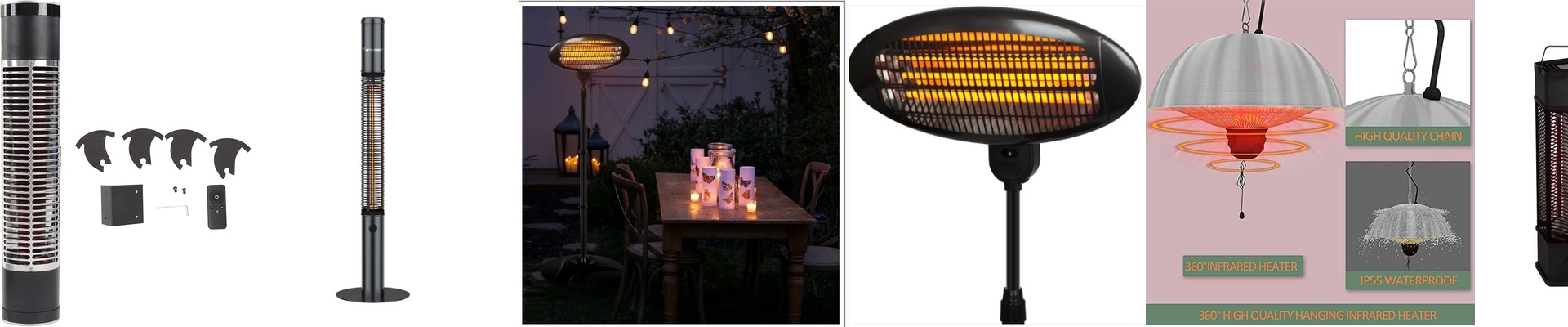


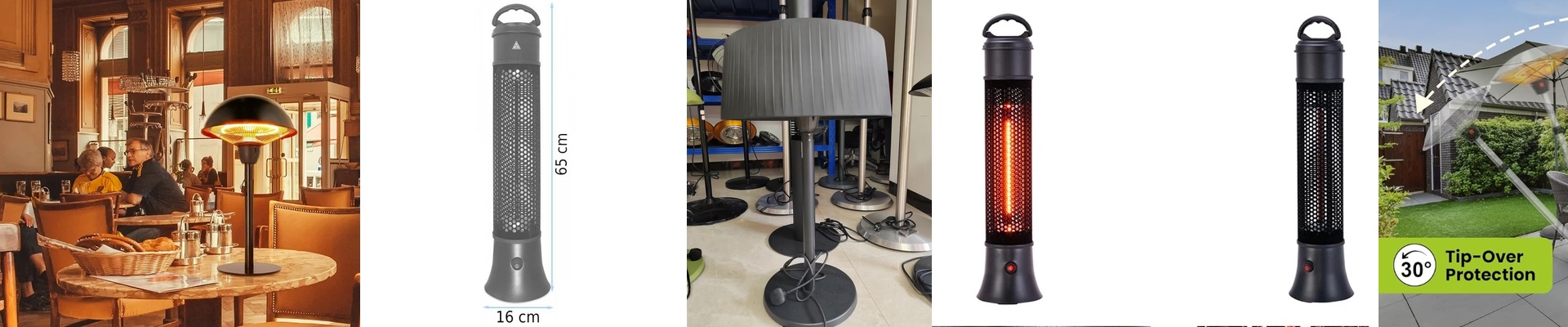
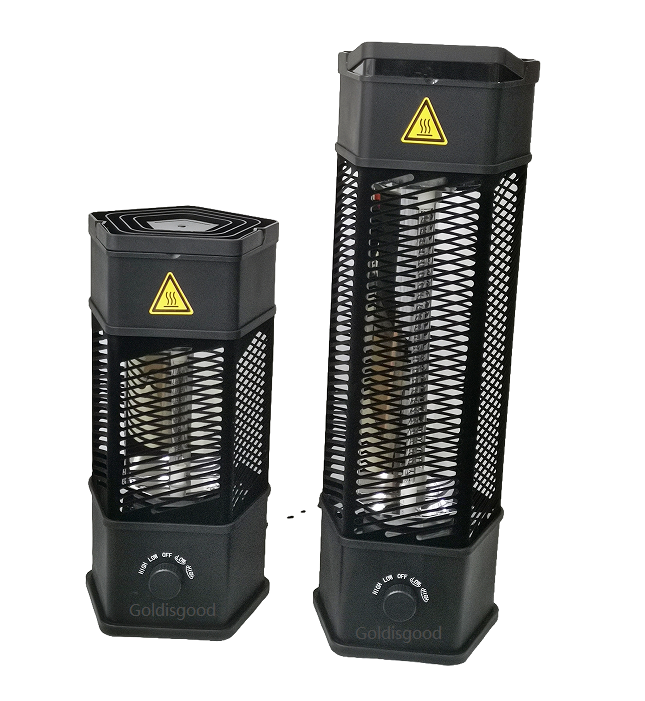
Introduction
We make infrared terrace heaters for places where clean air isn’t optional—it’s the whole point. The mission is simple: give you warm, targeted heat without drying things out or stirring up dust and allergens. If you or someone you share the space with has allergies, this is the kind of heat that keeps the air feeling calm and clean, even when you’re out on the terrace for hours.
How It Works: Power, Voltage, and Real Heat
Infrared heat comes down to energy density and control. Our heaters use a high-output halogen element that turns electricity into intense radiant warmth. That warmth travels straight to people and surfaces—no waiting for air to move around. Because the heat goes directly where it’s needed, the system delivers strong, steady wattage. You feel it almost instantly. No lag. No noisy fans. And the voltage is chosen to work smoothly with both commercial and residential electrical setups, so installation stays straightforward. One thing to keep in mind: this is concentrated heat. The area around the heater warms up fast, so plan your mounting height and clearance carefully. That way, nearby objects and finishes stay safely within temperature limits.
The Build: Halogen Element, Sealed, and Thoughtful
The halogen element sits inside a sealed quartz envelope. This matters. It protects the filament, keeps performance stable, and prevents the element from shedding dust or fibers into the room. We also designed the housing to limit airflow across the hot surface. Less air movement means fewer particles kicked up from floors and furniture. The result? You get warmth without that dry, dusty draft—especially important for anyone with respiratory sensitivities. And the connectors? They’re chosen for a secure, repeatable install. They hold up through repeated heating and cooling cycles, so you don’t end up with intermittent contact after the heater has been turned on and off again and again.
Why It Shines on Terraces (Especially for Allergy-Friendly Spaces)
On a terrace, forced-air heat tends to dry the air and keep recirculating whatever’s already floating around. Infrared sidesteps that by warming people and objects directly. The air stays still, so humidity doesn’t crash and dust doesn’t get whipped into the mix. If you’re aiming for allergy-friendly comfort, that’s a big deal. People feel warm without the irritants that come from moving air and dryness. And because the heat is localized, you can keep the overall air quiet while still keeping seating and dining areas comfortably warm. Installation is practical, too. Mount the heater where the beam hits the spots you want warm, wire it in, and set the output to match the electrical load. If the space is tight or enclosed, make sure ventilation meets code—even though this is clean radiant heat, any combustion heater still needs proper air exchange.