
Keeping Warm When It’s Wet and Freezing
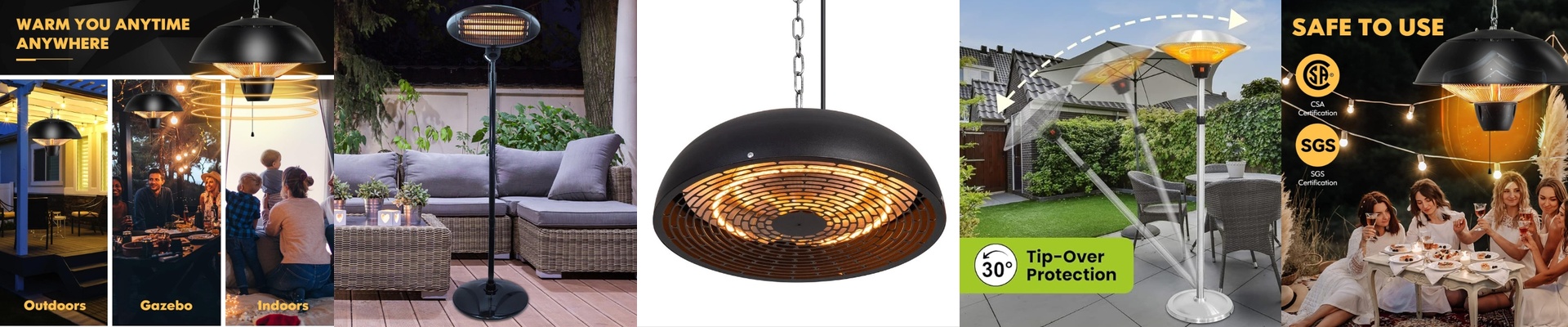
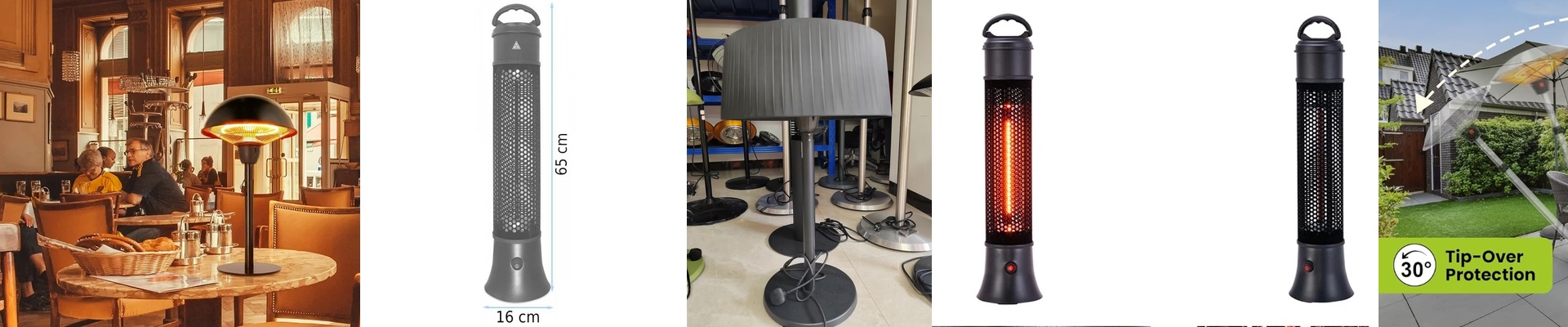
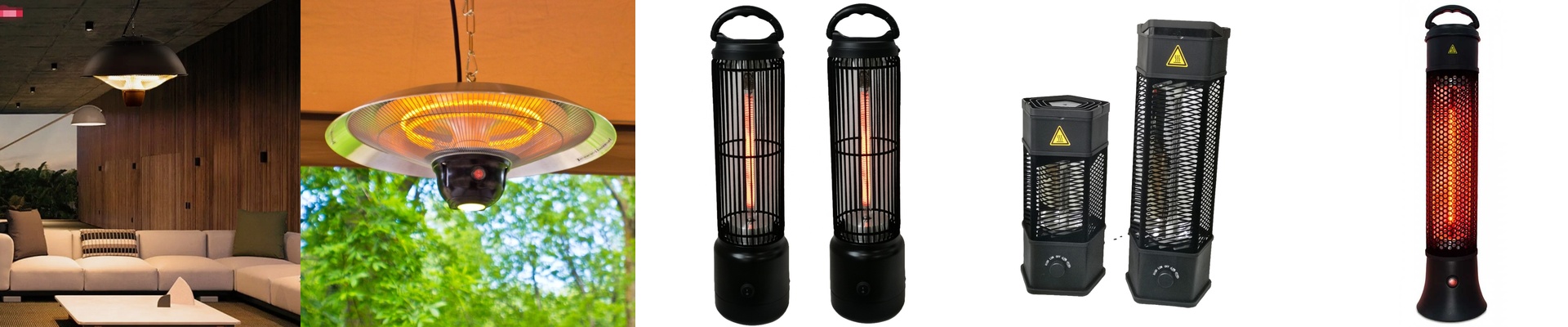
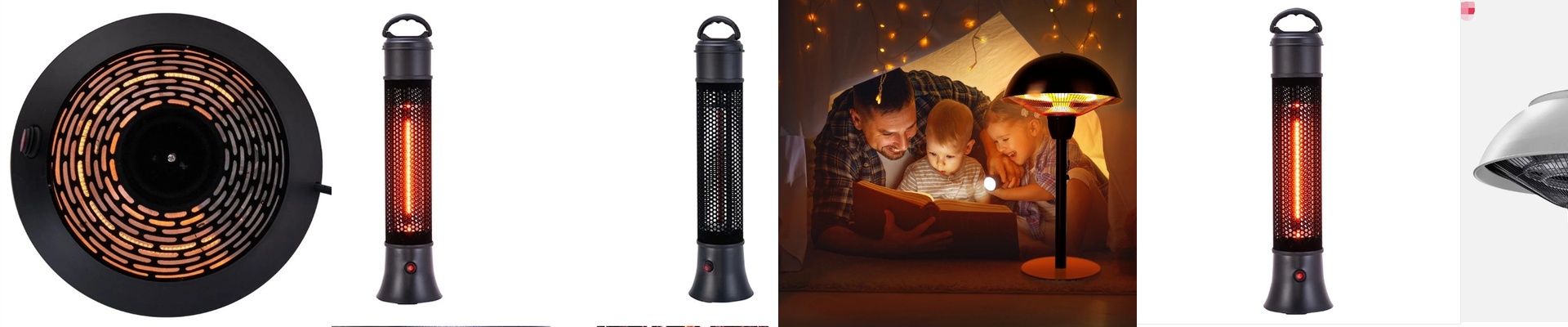
Let’s be honest: stepping into an outdoor changing area when it’s freezing outside is a nightmare. You’re shivering, you’re probably damp, and you need to stop feeling like an ice cube right now. That’s why we use shortwave infrared (IR). Most heaters try to warm up the air around you, which is a waste of time when the wind is blowing right through the walls. IR is different. It sends heat straight to your skin and clothes. It’s like stepping into a patch of sunlight on a winter day. Instant heat. No waiting. The magic here is in the filament. We use high-wattage units so that the second you flip the switch, you feel the heat. No waiting for oil to warm up or ceramic plates to slowly glow. It’s just… on. Now, putting electronics in a wet environment is usually a recipe for disaster. If a drop of water hits a red-hot filament, the whole thing pops. To stop that from happening, we wrap everything in heavy-duty, waterproof housings. We use tempered glass and quartz tubes with gaskets that actually seal. This keeps the moisture and spray away from the electrical guts and the connectors, so the system doesn’t fry the first time it rains. A few things to keep in mind for the setup. First, these things pull a lot of power. You can’t just plug a bank of these into a cheap extension cord. You’ll need a beefy circuit and breakers that can handle the load, otherwise, you’ll be spending your day resetting the power box. Also, be careful with where you hang them. Shortwave heat is intense. If you mount the heater too low or too close to where people stand, it can feel a bit aggressive—almost too hot. We usually suggest a specific height and angle to spread the warmth out. If the room is tiny, just toss in a dimmer or a timer so the space doesn’t turn into a sauna.