Getting the Heat Right in Bio-Sensor Fabrication
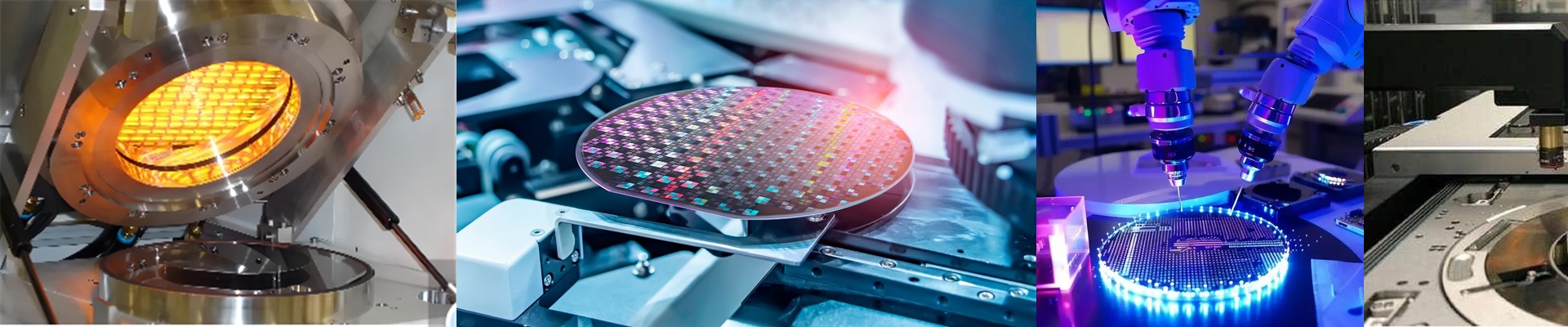
When you’re making bio-sensors, you’re playing a dangerous game with temperature. If your heat swings by just a couple of degrees while you’re curing or depositing, you’re done. The whole batch goes in the trash. It’s frustrating, expensive, and a total waste of time. That’s why we lean on short-wave infrared (IR) systems. They react instantly. In a fast-moving production line, you can’t afford to wait for a heater to “catch up.” You need the heat now.
Ditching the Old Ovens
If you’re still using those old-school convection ovens, you’re basically flying blind. We’ve moved toward “Smart Fab” setups because IR lets you actually see where the heat is going in real-time. We wire these lamps into a closed-loop PLC system. This means the system listens to the sensors and tweaks the wattage on the fly. No more guessing if your ramp-up or cool-down is hitting the mark. It just happens.
The Nitty-Gritty Hardware
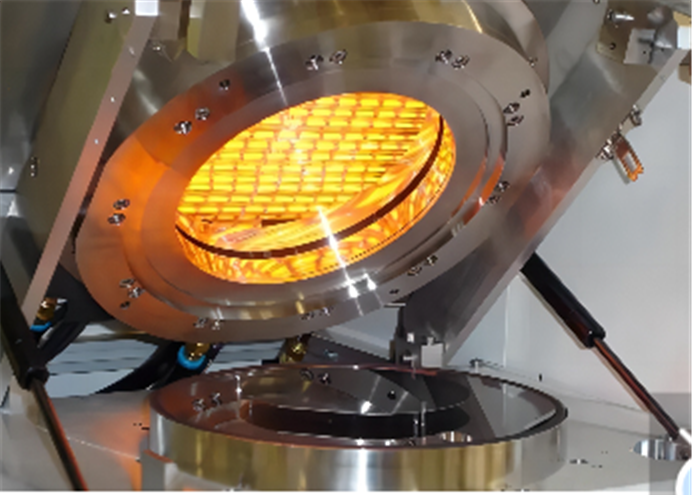
We build these systems for raw power. To get bio-polymers to stabilize, you need a massive punch of heat density that hits the target in seconds. To keep the light clean and consistent, we use quartz envelopes. But here is a heads-up:watch your power draw. These high-wattage arrays pull a lot of current. If your electrical panels aren’t ready for that initial peak load, you’re going to be tripping breakers all morning. Make sure your power specs can handle the hit.
Putting it All Together
We keep the footprint small. The idea is that these should slide right into your existing wafer or substrate handlers without a massive teardown. But there’s a catch. Short-wave IR penetrates deep and fast. If your conveyor belt is moving too slowly, you’ll cook your substrate. You have to get the belt speed and the lamp output perfectly synced. Also, these things get hot—really hot. We always include a solid cooling manifold for the lamp housings. Without it, the ambient heat will start chewing through the rest of your gear.