
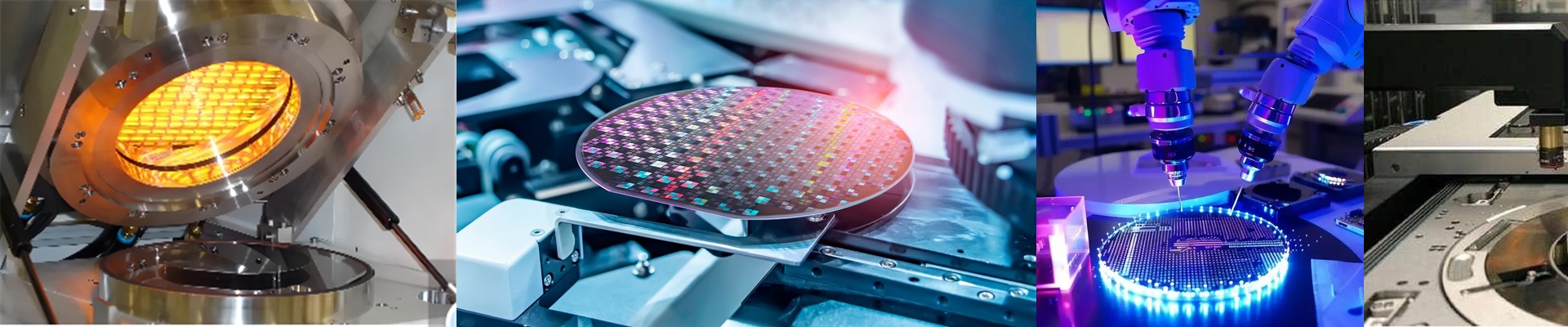
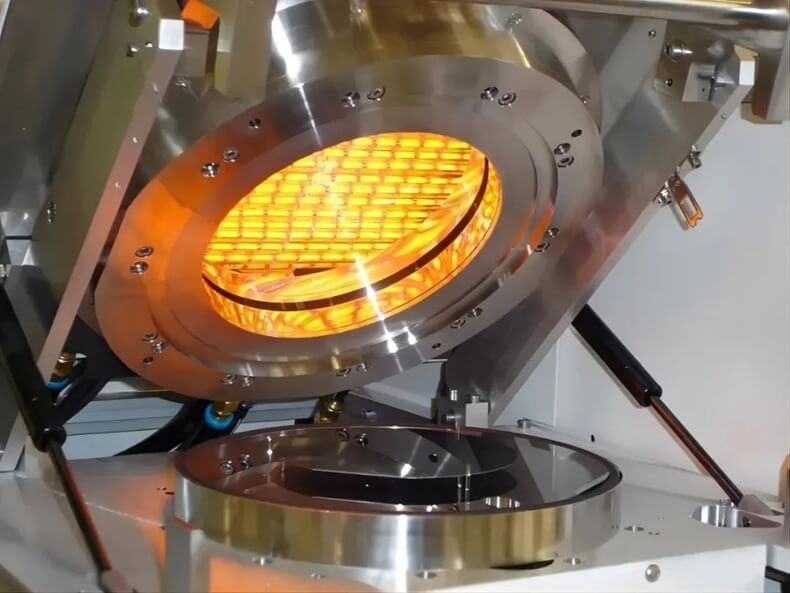
On the lithography floor, the photoresist profile is set before exposure even happens. A half-degree drift during soft bake or hard bake throws off the thermal budget, and your critical dimension control goes with it. We built our ozone-free infrared lamps to stop that drift in its tracks, delivering repeatable heat exactly where the process needs it—right at the wafer. What matters, technically We run short-wave infrared emitters with quartz optics, so heating is line-of-sight and the thermal response is sub-second. The output is tuned to match photoresist absorption, which means the wafer surface hits setpoint fast while the chuck stays cool. Wafer-level uniformity holds within ±0.1°C across the bake zone, and temperature repeatability stays under ±0.2°C from batch to batch. The system is ozone-free, so you don’t have to worry about oxidation in the cleanroom, and particle counts stay low. It runs 24/7 with stable output; units have hit 5,000+ hours with less than 5% intensity drop. Why it works in wafer processing The bake step sets up everything that follows—etch and development. Our lamps cut soft bake and hard bake time without overshoot, so you compress cycle time without losing profile control. Cleanroom Class 1–100 compatibility, zero particle generation, and long lamp life mean fewer surprises on the floor: less unplanned downtime and fewer spare parts tied up in inventory. Energy use drops, too—fast thermal response and tight control keep waste heat off the HVAC. Here’s what you need to know Installation needs line-of-sight alignment to the wafer plane and a dedicated, filtered power feed to keep spectral stability where it should be. Expect a short warm-up to thermal equilibrium; bake recipes should be scheduled around that. The lamps work with most standard wafer chucks, but if you’re integrating with legacy tracks, you may need a custom bracket and a calibration routine. Plan on a brief qualification run to lock in setpoints for your photoresist stack.