Precision IR Heating: Why Focused Heat Makes All the Difference in Wafer Processing
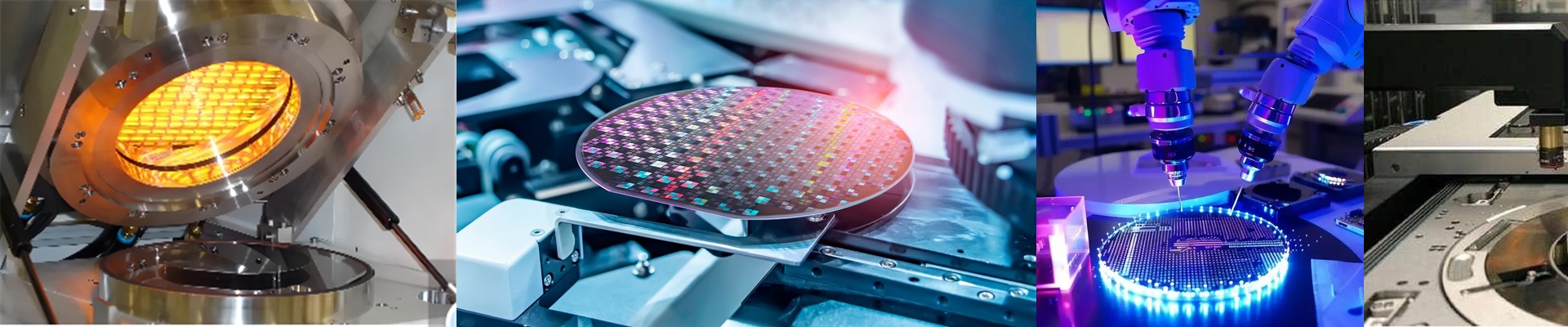
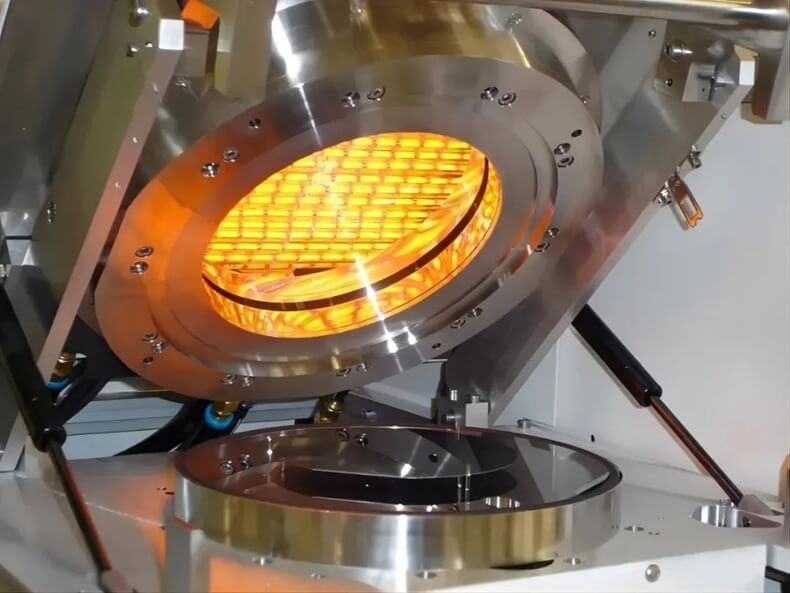
Here’s the truth about wafer processing: getting heat exactly where you need it—and nowhere else—is everything. We build infrared heating systems with that one goal in mind. Traditional broad heating? It’s like using a garden hose to fill a glass. You waste energy, and you end up soaking everything around it. Our directional IR lamps change that. They put the heat on the wafer, not on the chamber walls.
The Power Behind the Heat
Let’s get into the details, but keep it real. We spec these lamps for industrial work, not lab experiments. They run at 400V, which keeps things stable even when the heat demand spikes. And with 2500W of power, you get the kind of heat density that makes temperature ramp-up fast. The 300mm active length? That’s not random. It’s designed to fit standard wafer tooling without forcing you to redesign your chamber. The lamp sits close to the target, so less heat is lost along the way.
The Build: Quartz, Coating, and the Right Fit
The lamp body is made from quartz. Why? Because it handles sudden temperature changes without cracking, and it lets infrared light pass through cleanly. Then there’s the coating. It shapes the spectral output, cutting down on unwanted broad-spectrum bleed. More energy lands right where it should—on the wafer surface. For installation, we use R7s-type contacts. They’re a proven industrial standard that handles high current and make replacement a simple drop-in job. The directional design, paired with a reflector, keeps the heat moving forward. Not sideways. Not backward. Forward.
What It Feels Like in the Real World
In wafer processing, controlling heat is the same as controlling the process. Directional heating cuts down on wasted energy. That lowers your operating costs and keeps nearby components from getting roasted. Cooler chamber walls mean your sensitive hardware lasts longer. And when it’s time for maintenance, the work area stays safer. Now, there’s one thing to keep in mind: high heat density means your machine’s cooling needs to be up to the task. But if you match the cooling to the lamp, you get consistent temperature performance and a work area that feels safer and more under control.