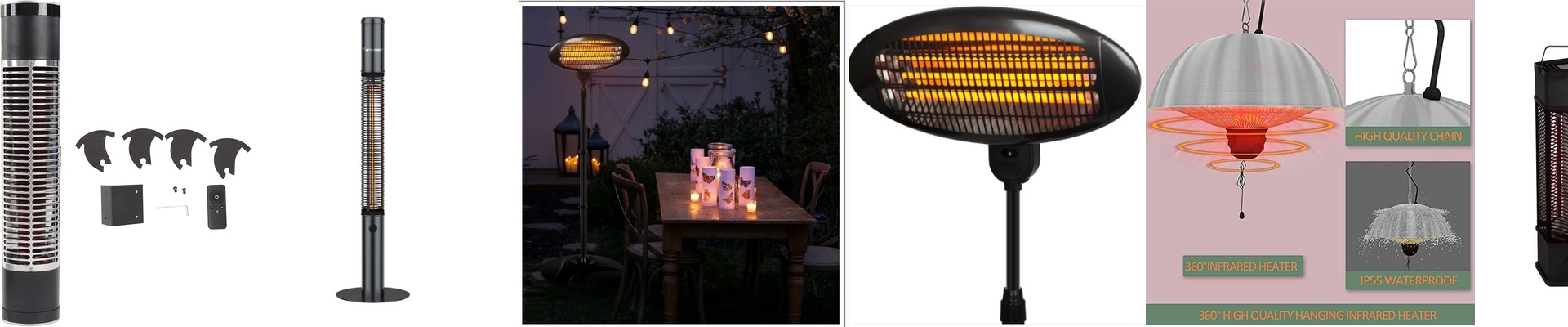





You set up an indoor heater expecting instant coziness, only to find the room feels off—warm at your feet, cool at your shoulders. That gap usually comes down to one thing we overlook: mounting height and angle. With infrared warmth, placement isn’t a nice-to-have. It’s what makes the unit work.
What actually matters under the hood
Infrared heaters warm people and surfaces directly, not the air. We run them with carbon fiber elements or quartz tubes that deliver clean, directional radiant heat, so you feel the warmth the second the unit is on. Output is measured in watts, and the beam spread sets the coverage footprint. A 1500W model, mounted around 7 feet high, will typically give you a comfortable circle of warmth around a seating area. The angle then puts that beam where you actually sit—not on the ceiling.
Why this approach works indoors
For indoor use, the target is personal comfort with quiet operation and minimal draft. Infrared heaters shine because they don’t move air around, so dust and allergens stay put, and the warmth feels steady. When height and angle match your layout, coverage evens out without hot spots. That translates to steadier comfort during evening reading, better relaxation for sore muscles, and fewer on/off cycles—which helps keep energy use in line.
The practical details you’ll want to get right
Mount the heater 6 to 8 feet above the floor and angle it toward the primary seating zone. Clearances matter—keep at least 3 feet from combustibles and follow the manual. Most units plug into a standard outlet, but high-wattage models may need a dedicated circuit. Plan for a nearby thermostat, and check the IP rating if you’re installing near a bathroom or kitchen. One trade-off to keep in mind: infrared warmth is immediate, but it performs best when the beam hits you directly. It won’t heat a far corner the way a convection heater will.