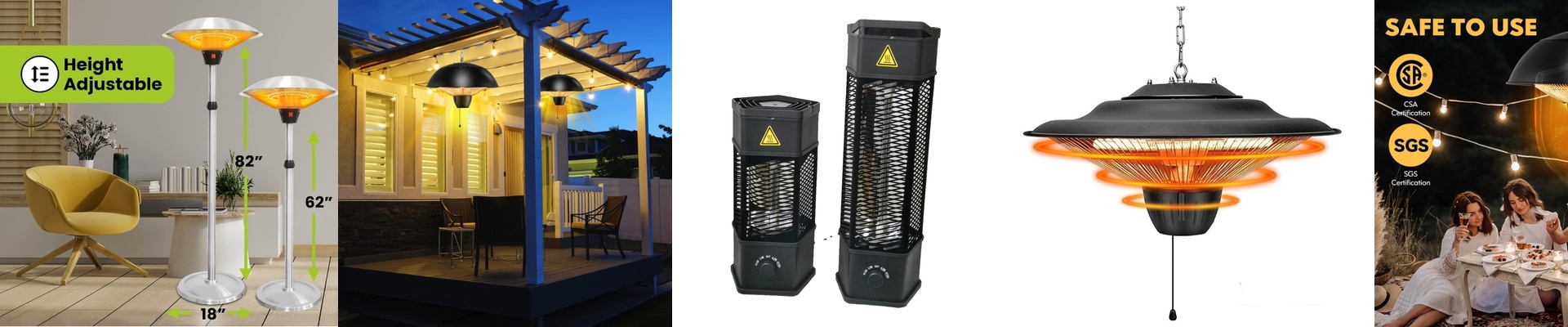
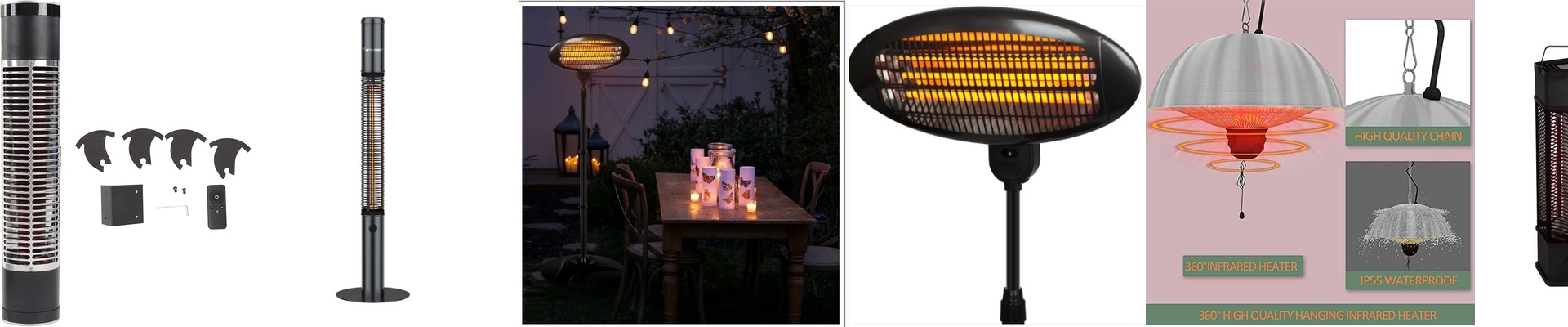
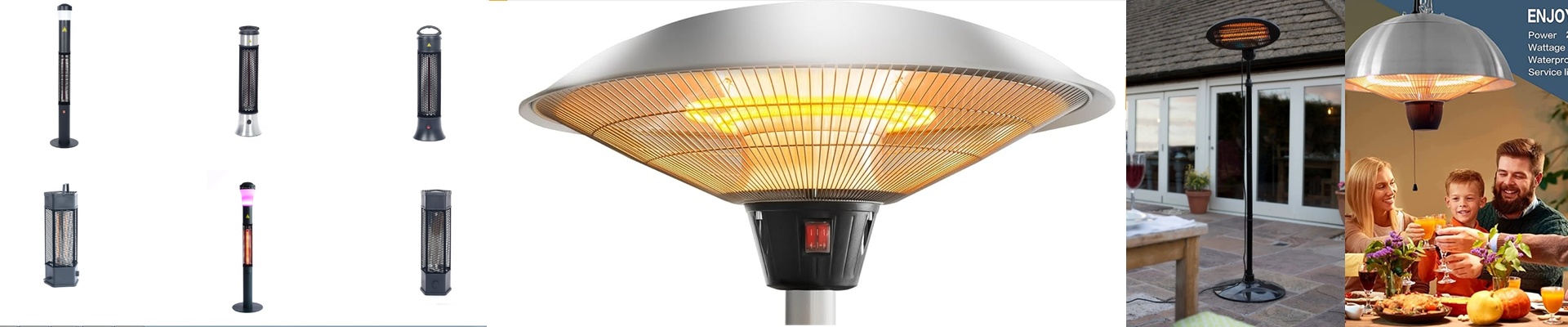

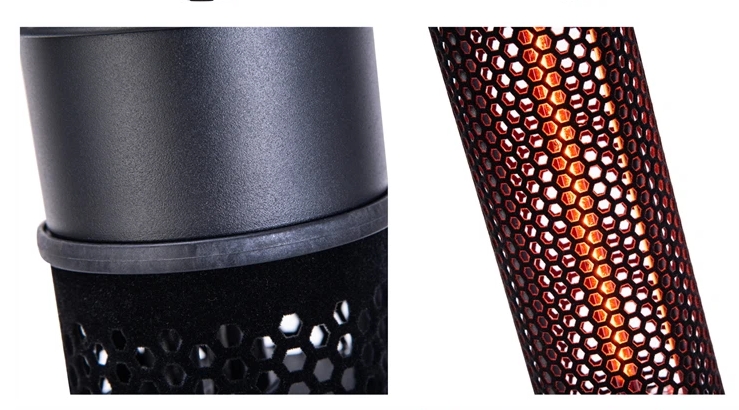
By the time an electric radiant floor heater hits five years, you’re not asking if it’ll need work—you’re asking how fast you can get it running again. With most units, that means teardowns, long downtime, and a service call that swallows the afternoon. We designed our infrared electric heater to flip that script: service that fits your day, not the other way around. What matters under the hood comes down to the basics. We run an infrared carbon fiber element for fast heat-up and even radiant output. It’s built to run on standard 220–240 V, so it drops into most home layouts without a rewiring mess. The core is a modular heating cartridge—think of it as a serviceable heart, not a sealed black box. Pop the latch, slide the element assembly out, drop a new one in, and button it up in minutes. You also get an adjustable thermostat for steady comfort, plus tip-over protection and an IP rating that’s right for covered outdoor spots and indoor-adjacent areas. Out in the real world—whether you’re keeping a workshop floor warm, stretching evenings on the patio, or keeping the entryway cozy—downtime is the real expense. With the modular design, a routine replacement is a 10-minute job instead of a multi-hour slog. No cutting, splicing, or chasing hard-to-reach connections. Fewer service interruptions, less dust and noise, and a heater that stays reliable year after year. Here are a few field notes to make the swap smooth. Confirm your circuit voltage and breaker rating match the heater, and keep a replacement cartridge on hand. Radiant heat warms objects directly, so the floor covering matters: dense materials hold more warmth, while thin coverings respond faster. And the unit performs best in protected areas—weather-resistant, yes, but keep it out of heavy rain and standing water.