



Power and Voltage: Getting the Heat Right for the Room
When we pick a fan heater, we don’t leave it to chance. It’s about matching the wattage to how the room actually loses heat. North-facing rooms? West-facing rooms? They get cold faster. High ceilings? That’s a lot of air to warm. For spots like these, you need more power to keep everyone comfortable. Infrared fan heaters usually run on 220V or 400V, and the choice comes down to your building’s wiring. A 400V unit pulls less current for the same output, which means you can use thinner wires and avoid voltage drop over long runs. But it also runs hotter, so you’ve got to plan space around it and make sure it gets proper airflow.
The Element and Connector: Built to Take the Heat, Easy to Fix
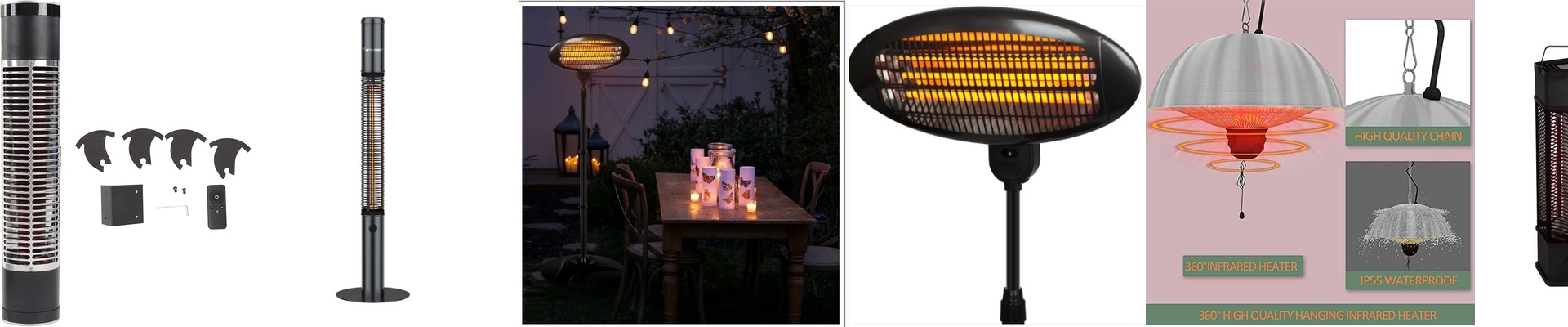
Inside, we use quartz infrared elements—often with a halogen fill—to deliver quick, focused heat. The coating on the tube handles thermal shock and chemical exposure, so output stays steady even when the unit cycles on and off. This stuff is built for the real world, where uptime matters. On the shop floor, the R7s connector is the way to go. It gives you a solid, high-temperature electrical connection, and it turns the element into a simple slide-in replacement. When a tube burns out, you’re not wrestling with screw terminals. You swap it in minutes and get back to work.
What It Feels Like to Use: Fast Heat, Small Footprint
Infrared fan heaters are all about localized warmth without taking up a lot of space. The fan pulls air over the hot element, blending convection with radiant heat to smooth out cold spots. It’s perfect for spot heating near doorways, temporary work areas, or places where people come and go. You will hear the airflow—that’s the trade-off—and the element gets hot enough that a guard is a must. But when you size the wattage to the room’s insulation, what you get is fast warm-up, predictable running costs, and a heater that can be wired, moved, and maintained without tearing the place apart.