

How to Keep Your IR Heaters From Blowing Up Your Glovebox
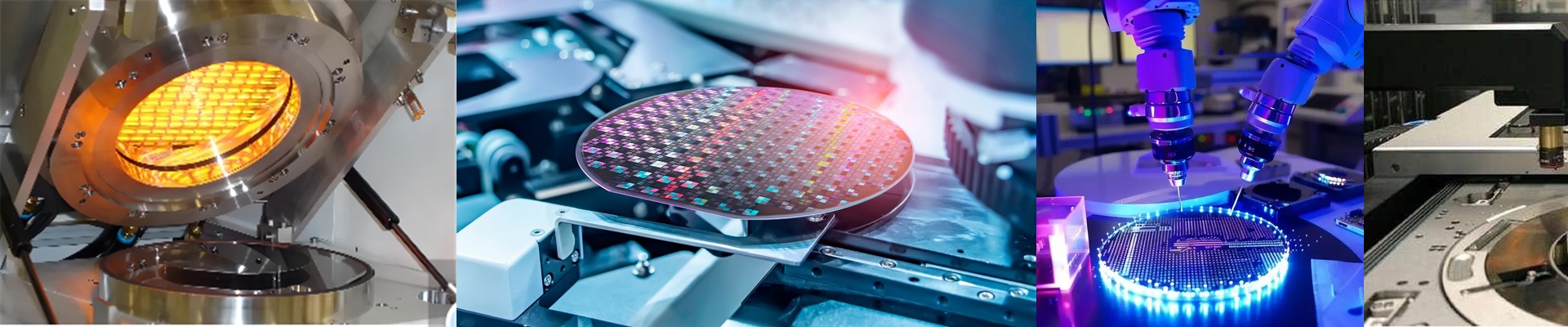
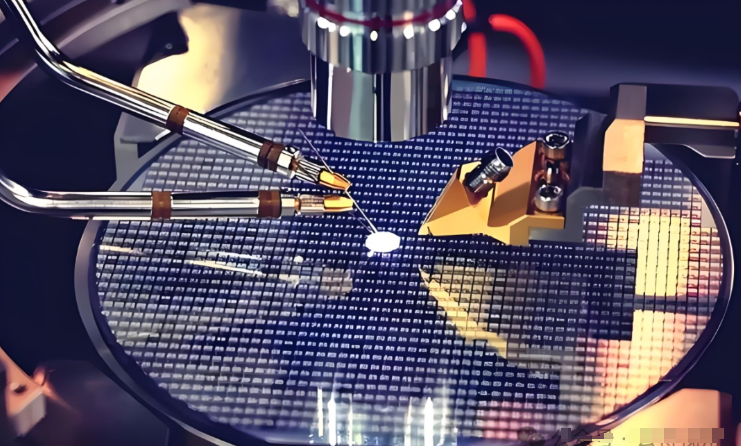
If you’re using a glovebox for chemical cleaning, you already know the deal: you’re working with volatile solvents and flammable vapors. It’s a tense environment. Using a standard infrared lamp in there is basically asking for trouble. One tiny spark or a hairline crack in a quartz tube, and you’ve got a bomb on your hands. We handle this by wrapping our heating elements in a specialized protective shell. The trick is in the encapsulation. We don’t just toss a bare lamp into the chamber and hope for the best. Instead, the heating element lives inside a secondary barrier that resists chemicals. This keeps those dangerous vapors far away from the hot filament and the electrical terminals. We use high-purity quartz or a specific type of glass that lets the short-wave IR radiation slide right through, but keeps the hazardous air exactly where it belongs: on the outside. Dealing with the heat Here’s the thing: thermal stability is a pain. In a sealed glovebox, heat builds up fast. To stop things from getting out of control, our elements are built to keep a steady surface temperature so they don’t cook the protective enclosure. We also use reinforced seals at the connection points. No leaks. Period. Because if a seal fails, the lamp is toast. Do yourself a favor and check those seals every single time you do maintenance. It’s not worth the risk. Getting it running The good news is that these units are designed to be drop-in replacements for your standard IR arrays. We use rugged connectors, too, so you don’t have to worry about arcing. But there is a trade-off. That protective layer does block a little bit of the heat. You might notice it takes a bit longer to get where you need to be. You can fix this by bumping up the wattage or just letting the parts sit under the heat for a bit longer. One last tip: make sure you tune your PID controller for the extra thermal mass of the sleeve. If you don’t, you’ll probably see the temperature overshoot your target.