
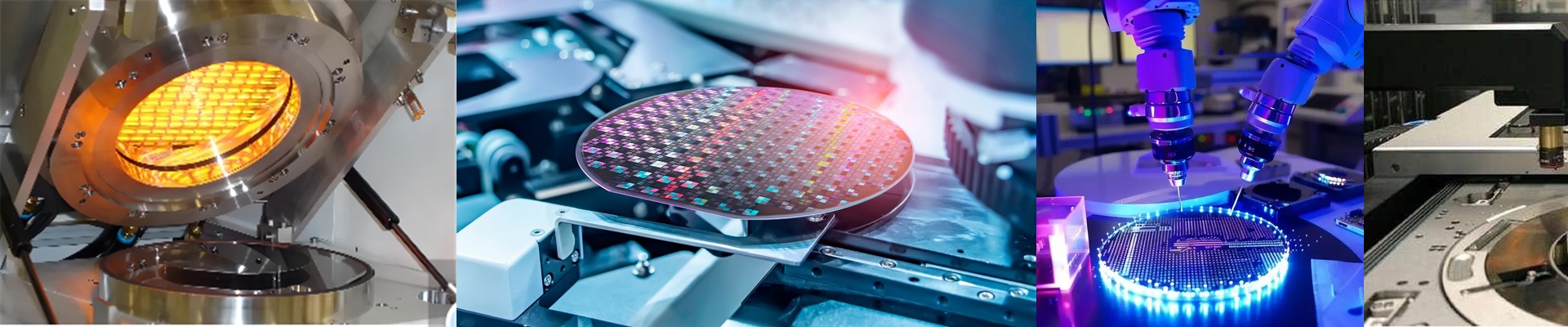

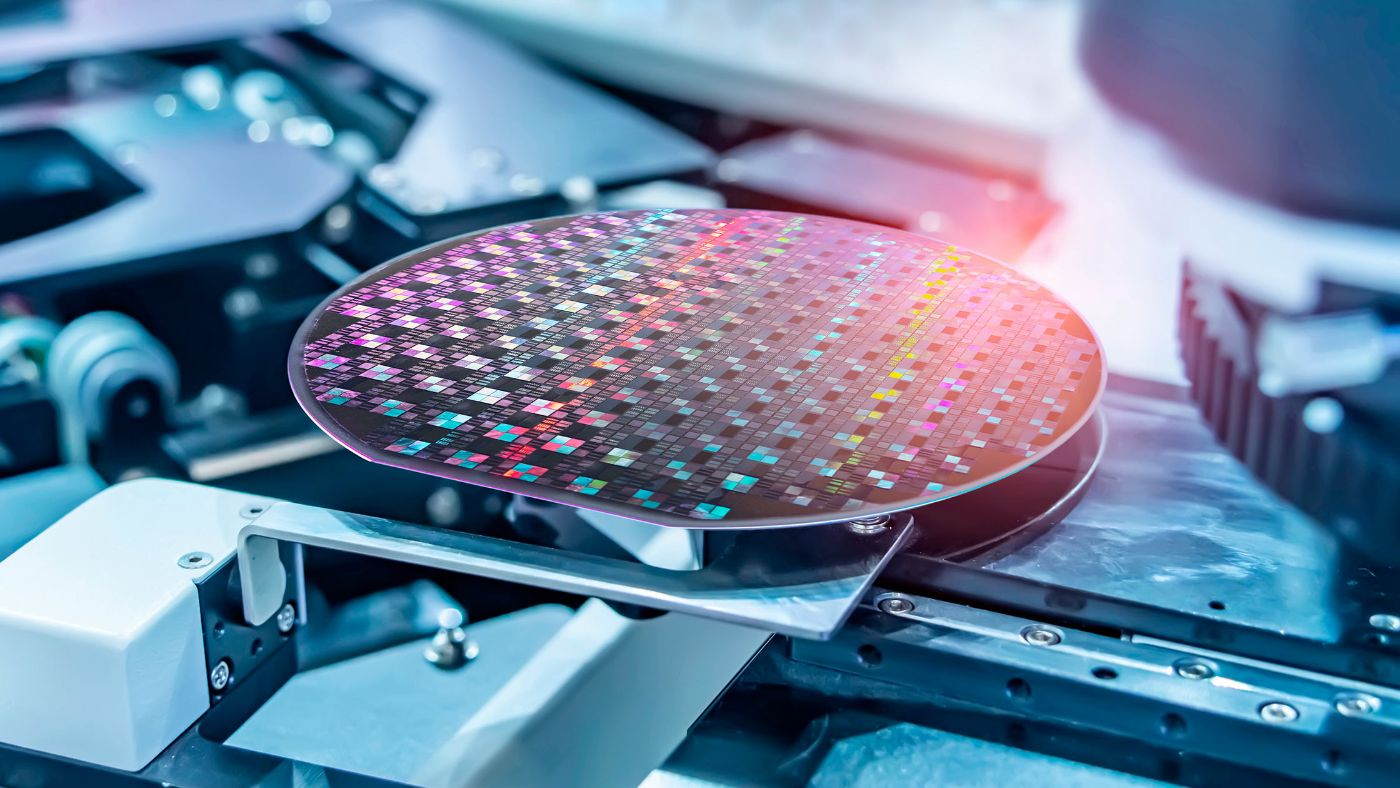
Out on the lithography floor, the lamp is way more than a consumable. It’s the thermal anchor for every soft bake and hard bake, and it’s what actually sets the photoresist profile that defines your critical dimensions. When lamp output drifts, thermal uniformity falls apart. Exposure latitude shrinks. Particle counts climb. And your wafer yields start sliding before the defect review even gets underway. What matters is repeatable heat with tight control. The Nikon stepper lamp replacement we run is built around a halogen source in quartz, tuned for short-wave and medium-wave output so it matches the stepper’s optical and thermal budget. You get wafer-level temperature uniformity within ±0.1°C across the bake plate, zero particle generation, and cleanroom compatibility from Class 1 to 100. Output stays stable from cold start through steady state, and the unit is specified for 24/7 operation without unplanned downtime. Precision isn’t a slogan here—it shows up as consistent line-width control and photoresist profile repeatability, lot after lot. The reason it works is straightforward: it keeps the process honest. You see faster recipe convergence, fewer rework lots, and lower energy draw per wafer because the lamp hits setpoint quickly and holds it without overshoot. Plan on longer intervals between replacements, too—5,000+ hours is typical—which cuts PM labor and spares cost. It integrates cleanly with your Nikon stepper, with the right voltage, connector interface, and mechanical envelope, so you preserve the original thermal path without having to re-qualify the whole module. Here are a couple of things to keep in mind. Before you swap it in, verify the stepper’s lamp drive signature. Matching voltage and connector is necessary, but the ballast and ignition profile also have to align to protect the quartz envelope and keep intensity stable. After installation, run a short burn-in and metrology qualification to lock the new thermal offset into the process control plan.