

Stop Waiting on Your Wafers: Why IR Beats Forced Air
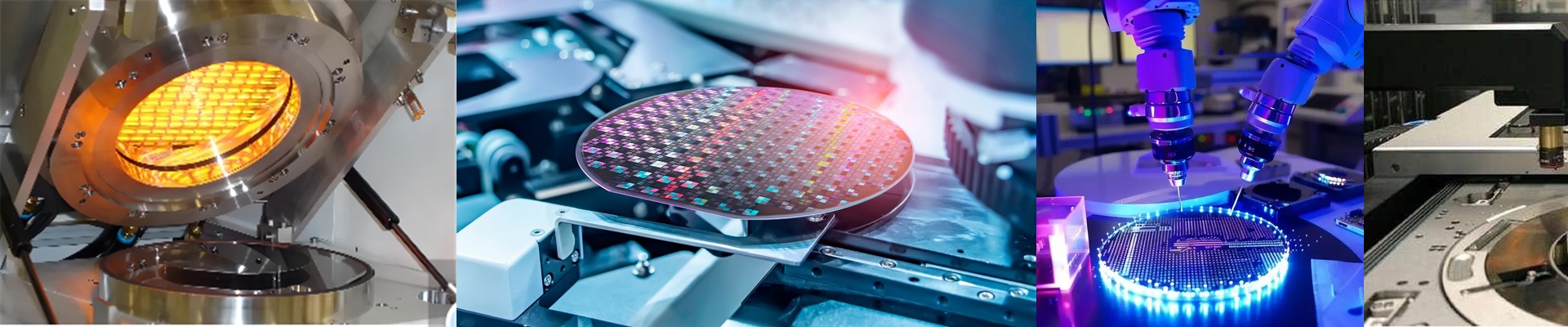
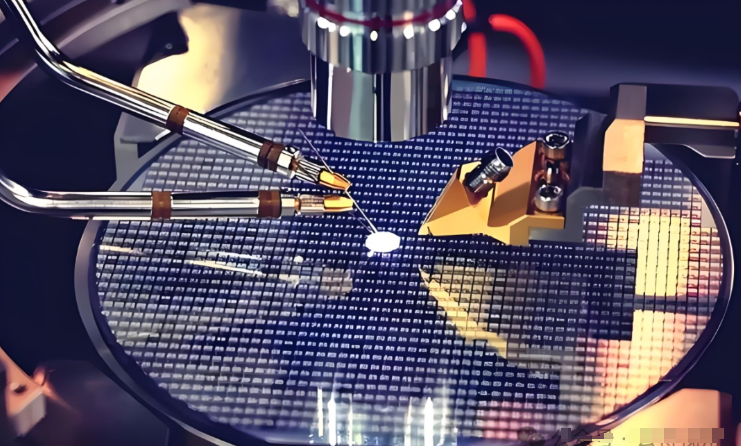
When you’re picking out a wafer tool for deep processing, you’re basically deciding how you want to move energy. Most people start with forced hot air. It’s the standard. But the problem is that air is just a middleman. You heat the air, and then you hope that air heats the wafer. It’s slow. Infrared (IR) heating just cuts the middleman out. It sends energy straight to the substrate. No waiting. No fluff. The real cost of waiting If you’ve used a convection setup, you know that annoying thermal lag. Air doesn’t hold heat very well, and that thin layer of air sitting on the wafer surface acts like a shield, slowing everything down. Those lost seconds or minutes might not seem like much on one wafer. But in a high-volume fab? It’s a nightmare. With IR lamps, you hit your target almost instantly. We’re talking about ramp-up times dropping from minutes to milliseconds. It’s not about some vague “efficiency” metric—it’s about actually getting more wafers out the door every hour because you aren’t standing around waiting for a chamber to soak. Cleaning up the floor Plus, switching to IR lets you reclaim some space. You can ditch the massive blowers and the messy ductwork needed to push hot air around. And here’s the cool part: IR arrays let you use zoned heating. If one spot on the wafer is running cold, you can target just that area to fix the temperature without messing with the rest of the load. It’s a lot more surgical. The catch Now, IR isn’t a magic fix. Because it’s so fast, it’s easy to overshoot your temperature if your PID loop isn’t dialed in. You can’t just “set it and forget it.” You need fast sensors and power controllers that can kill the heat the second you hit your mark. Also, watch your cooling. If your system can’t dump the heat coming off the lamp housing, your baseline will start to drift. And for heaven’s sake, use the right thermal shielding. If you don’t, you’ll end up cooking your own electronics.