Why we put our bathroom lamps through “the torture chamber”
Let’s be honest: bathrooms are a nightmare for electronics. You’ve got steam everywhere, sudden temperature jumps, and constant humidity. It’s a recipe for disaster. If a heating lamp isn’t built exactly right, the seals give way, the filament dies, and you’re left in the cold. That’s why we use damp-heat aging tests. Basically, we try to break our lamps before they ever get to you.
The battle against moisture
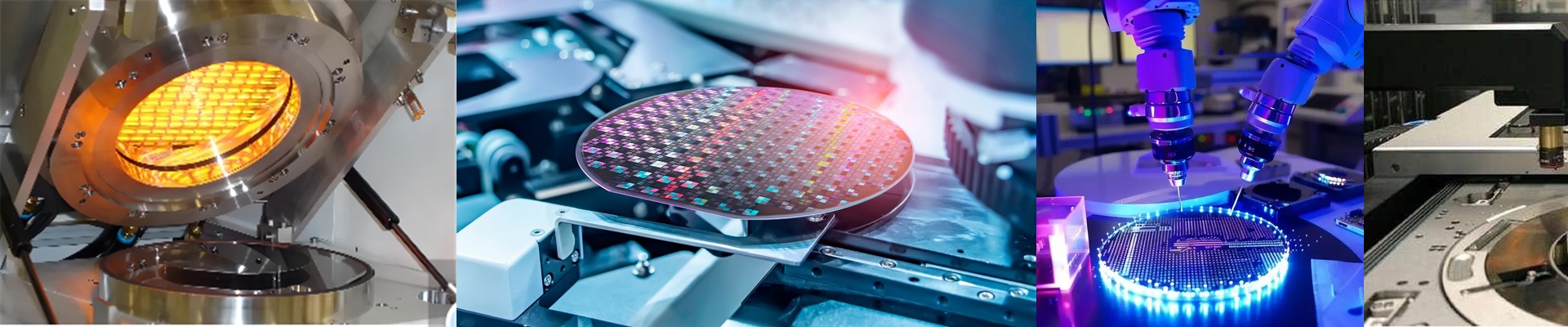
Most of these heaters use shortwave infrared quartz tubes. The real danger zone is the seal—that tiny spot where the electrodes meet the glass. Here is what happens: in a steamy bathroom, water vapor looks for any tiny gap to sneak through. If a seal is weak, moisture gets in. The second that water hits a glowing tungsten filament, the metal oxidizes. It thins out, gets too hot in one spot, and—snap. We don’t just hope the seals work. We throw the lamps into high-heat, high-humidity chambers for hours. We aren’t looking for a “pass” grade; we’re hunting for the exact moment a seal fails so we can fix it.
The shock factor
It isn’t just the water, though. It’s the sheer shock of the heat. Think about it. A lamp goes from room temperature to 600°C in a few seconds. That’s a massive amount of expansion and contraction. It puts a ton of pressure on the connectors and the glass. If the fit is off by even a fraction of a millimeter, the glass just cracks. Our tests force these cycles over and over. We push the quartz to its absolute limit to make sure it stays stable, no matter how many times you flip the switch.
The trade-off
Does this make our lives harder? Yeah, it does. Strict testing means we scrap more units during production. It means things take a little longer to ship. But it’s worth it. I’d much rather toss a lamp in our factory than have you deal with a short circuit in your ceiling. When a lamp survives a 500-hour damp-heat soak, you know it’s actually going to work. You get the heat you paid for, and you don’t have to worry about it burning out the moment things get steamy.