


When the Heat’s On, You Can’t Afford to Blink
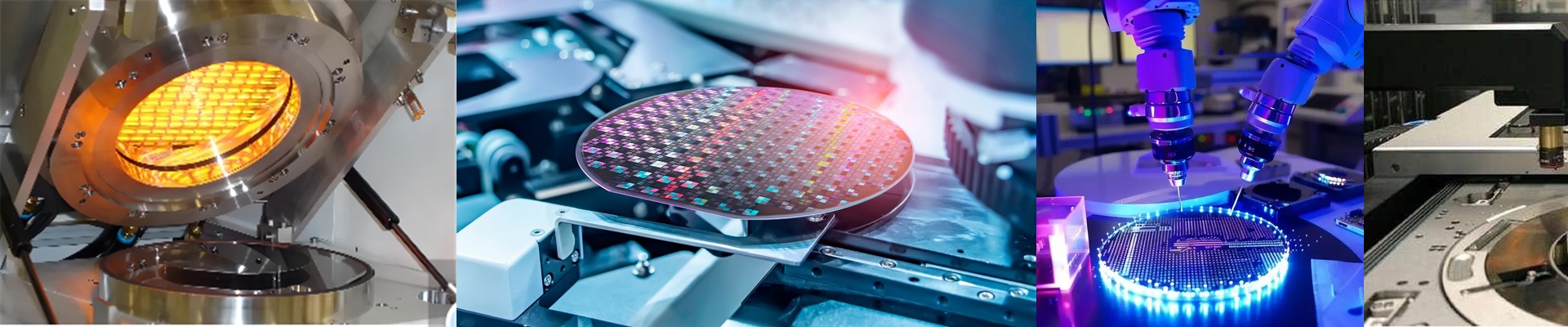
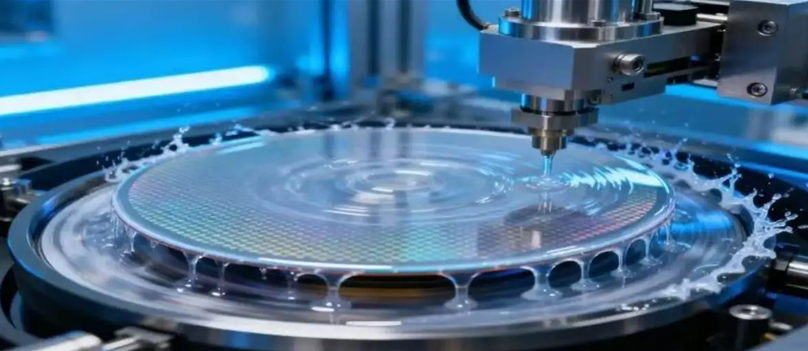
Picture this: you’re running a high-load clean room. It’s moving fast, and everything is humming. Then, the infrared lamp fails. It’s not just a pause in the work. It’s a full-blown contamination nightmare. If the tube shatters, you’re not just dealing with downtime—you’re looking at glass and hot debris raining down on your wafers. That means scrap. And rework. We built our clean room bench infrared lamp to make that scenario impossible.
Matching the Tool to the Job
We don’t just throw specs at you. We match the lamp to the work it’s actually doing. The tube length is cut to fit the bench, so the heat goes exactly where you need it. No energy wasted. No stray heat drifting into empty space. It runs on high voltage, so even when the line voltage dips and spikes, the power stays steady. That means consistent temperature, no matter what the plant floor throws at it. And the wattage? It’s high enough to deliver serious heat density, right where you need it. Fast. Predictable. It keeps pace with a high-throughput line and fits right into your controlled thermal process.
Built to Take the Heat
Here’s the guts of it. The core is wrapped in quartz, because it can handle rapid heating and cooling without cracking. Inside, the halogen element keeps output steady, even during long, grinding runs. And because it’s shortwave, the response is instant. Heats up fast. Cools down fast when the cycle ends. We also added a special coating that keeps the surface cooler without cutting the output. That lowers the risk of hot spots and protects the components nearby from thermal stress. And that R7s connector? It’s more than just a convenience. It locks in a secure, aligned connection that handles high current and stays tight even with vibration. No arcing. No loose contacts. Just reliable power, so you don’t get premature burnouts.
Real-World Clean Room Use
On the clean room bench, this lamp is a drop-in module that can take a beating without messing up your process. The design keeps the element contained, and if something ever goes wrong, it limits the debris. Plus, that coating helps the surface stay cleaner longer, which means less particulate in the air. Now, here’s the one thing to plan for: that high wattage density needs good airflow and proper clearance. Set up the cooling and the mounting space right from the start, and the lamp will run safely, predictably, and without putting your wafers at risk.