
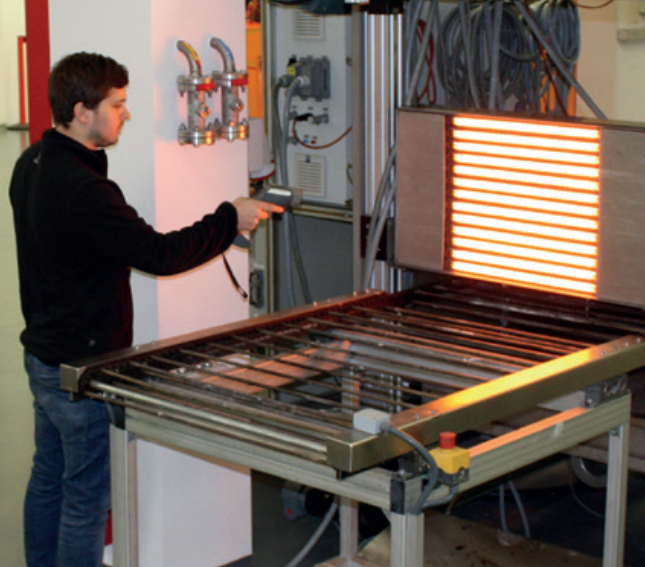
Stop the Glass Rain: Keeping Your Wafers Clean When Lamps Fail
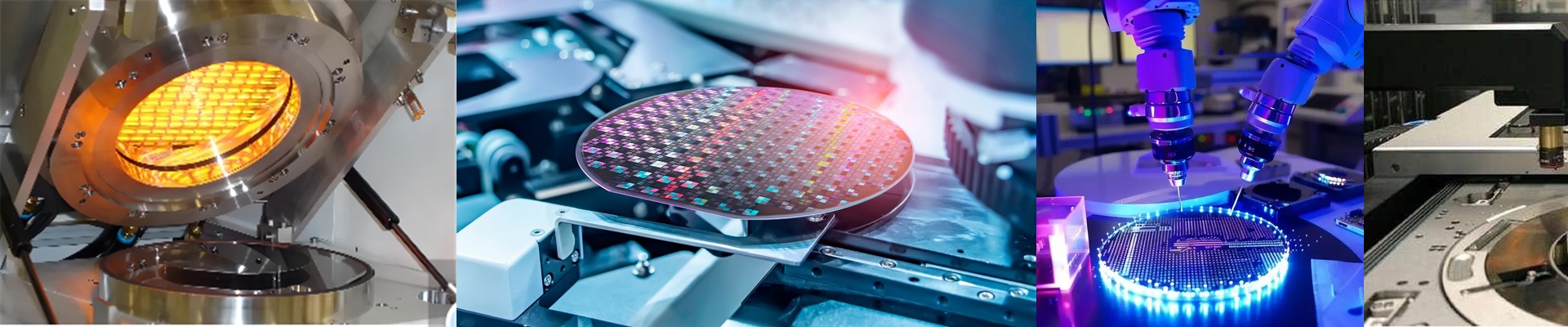
In a high-volume semiconductor setup, a lamp blowing out is a nightmare. It’s not just the downtime that kills you—it’s the mess. When an infrared tube pops, you’ve got quartz shards and halogen gas raining down right onto your wafers. That’s an instant batch killer. Then you’re stuck spending hours scrubbing the chamber just to get back to baseline. We got tired of seeing that happen, so we built our lamps to stop the secondary disaster. Built for the Grind Most tubes give up because of hotspots or stress at the pinch seal, especially when you’re cycling temperatures fast. We fixed this by beefing up the quartz envelope and getting the filament centering exactly right. The goal is simple: spread the heat evenly across the glass. No weird thermal gradients, no stress fractures, and way fewer “pop” moments. The Safety Net To make sure no shards ever touch your wafers, we add a safety sleeve—basically a protective quartz shield. If the inner lamp fails, the sleeve catches the debris. It stays contained. We also use high-purity materials. This means when you first fire them up, you won’t get those annoying metallic residues on your semiconductor surfaces. The Honest Trade-off Here’s the thing: adding a sleeve means you lose a tiny bit of radiant efficiency. Some of that IR energy gets absorbed by the shield. Is it a perfect 1:1 swap? No. But it’s a small price to pay to avoid a catastrophic contamination event that wipes out your week’s production. You’ll just need to tweak your power settings or give your soak time a little bump to make up for it. A Couple of Pro Tips When you’re wiring these in, keep an eye on your PID controllers. They need to be tuned for the extra thermal mass of the shield. If you overshoot your target temp during ramp-up, you’re still putting unnecessary stress on the filament. Also, don’t skimp on the cooling fans at the lamp ends. If you’re running 24/7, those connectors can get toasted if they don’t have a steady breeze.