
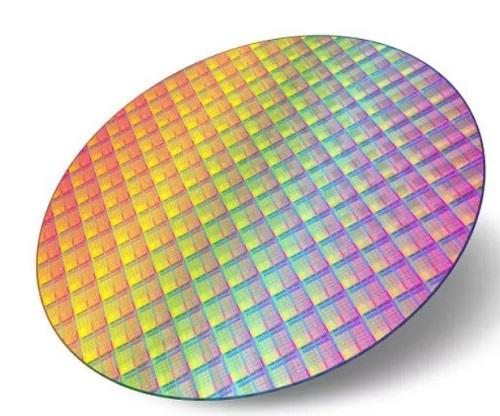
Stop Cooking Your Cabinet: A Better Way to Heat Wafers
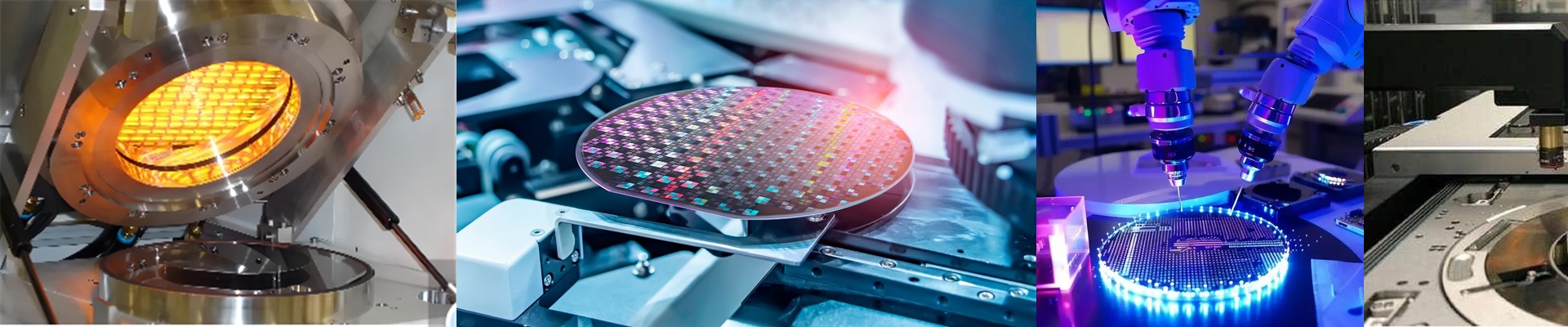
When you’re heating wafers, you want the energy hitting the substrate. Period. You don’t want it hitting the machine walls. The problem is that standard IR lamps are pretty messy—they throw heat in every direction, 360 degrees. In a cramped semiconductor chamber, that’s a recipe for disaster. The inner walls basically become giant sponges for heat, creating those nasty “hot spots” that can warp your gear or, worse, burn an operator who touches the wrong spot. Focusing the heat That’s where directional infrared comes in. Instead of just sticking a bare quartz tube in there and hoping for the best, we use specialized reflectors and coatings. Think of it like a flashlight instead of a lightbulb. We bounce the IR energy forward, aiming the heat flux right at the wafer. By narrowing that angle, you stop wasting energy on the ceiling and sides of the chamber. The result? Your wafer hits the target temperature, but the outside of the chassis stays cool enough to touch. The “Goldilocks” Distance Getting the distance between the lamp and the wafer right is a bit of an art. If you mount it too close, you’ll get “hot spotting”—basically burning holes or creating uneven heat on the wafer surface. But if you push it too far back, you lose that punchy intensity you need to ramp up the temperature quickly. We usually figure out the sweet spot by looking at the lamp’s wattage and the temperature gradient you’re after. You just need enough breathing room for the radiation to spread out evenly across the whole wafer. The Catch Now, this isn’t some magic wand. There are trade-offs. Since you’re focusing the beam, the heat density at the focal point is much higher. If your PID controller isn’t tuned just right, you’ll overshoot your temperature setpoint before you can blink. And here’s a big one: keep your reflectors clean. A tiny bit of dust or some chemical residue might seem like nothing, but it scatters the beam. Once that happens, you’re right back to that “heat soak” problem we were trying to fix in the first place.