

Drying MEMS Wafers with Infrared: Why it Beats the Old Oven
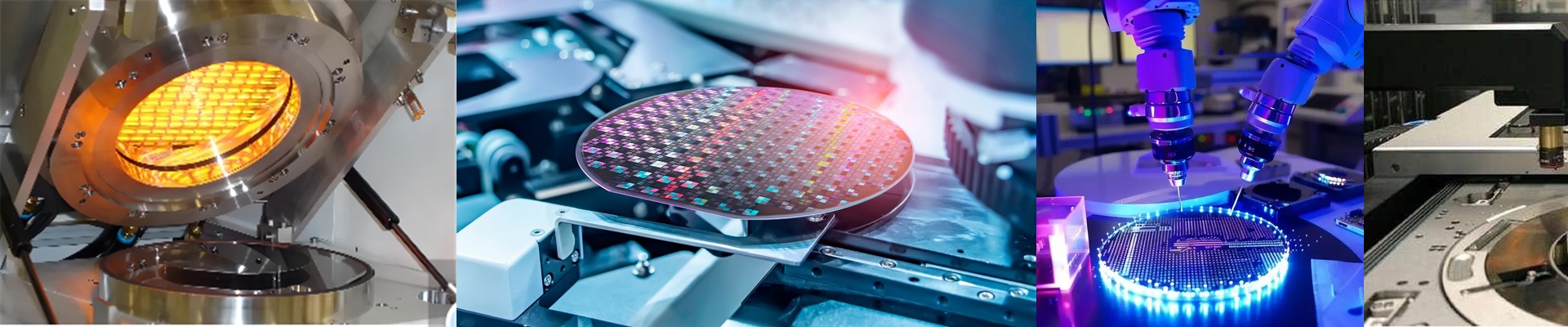
If you’re trying to build a modern, smart Fab, you can’t keep leaning on those old-school convection ovens. They’re just too slow. For drying MEMS sensor wafers, we’ve moved to short-wave infrared (IR) systems. It’s all about speed and response time—the kind of pace you actually need when your production line is digitized and moving fast.
Why IR actually works
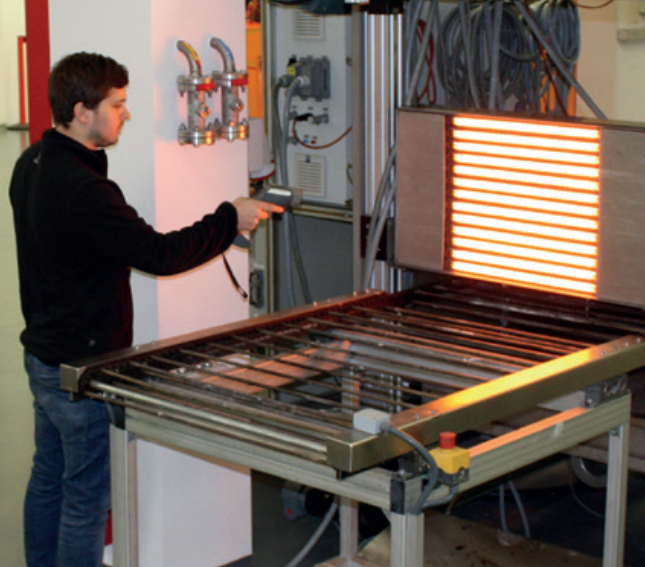
Here’s the thing about IR: it doesn’t waste time heating up the air around the wafer. It just hits the surface directly. That’s a huge win because it keeps the rest of your gear from overheating. Plus, since you can control the wattage exactly, you can hook it straight into your PLC. If your wafer thickness shifts or you decide to crank up the throughput, you just tweak the power in real-time. No waiting around for a giant box of air to warm up.
The nitty-gritty on hardware
We build these heaters to survive the strict reality of a cleanroom. We use high-purity quartz envelopes so you don’t have to worry about random contaminants ruining your sensors. We also push for high power density, which is fancy talk for “getting the drying done as quickly as possible.” But a word of caution:watch your power supply. If the voltage doesn’t match the lamp, you’re going to burn them out way too soon. Also, these tubes get incredibly hot—not just at the wafer, but at the ends of the lamps. Use heavy-duty connectors and wiring that can take the heat, or you’ll find your terminals melting under a constant load. Not a great look.
The trade-offs
Now, IR is fast. Like, 60% faster than hot air. But it has a quirk: it’s directional. If your wafer rack is even slightly off-center, you’ll end up with cold spots. You have to be really intentional about the reflector geometry to make sure the heat hits every inch of the wafer evenly. And because these systems are so high-performance, they’re a bit more demanding. You can’t just set them and forget them; you’ll need a steady maintenance routine to keep those quartz tubes clean from any residue or outgassing. It’s a small price to pay for the speed, though.