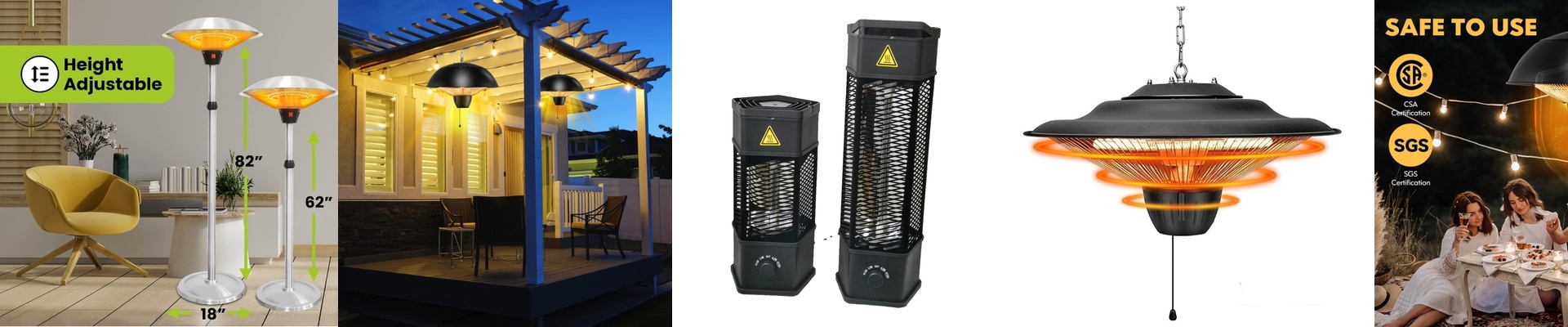
Making Your Outdoor Heaters Actually Smart
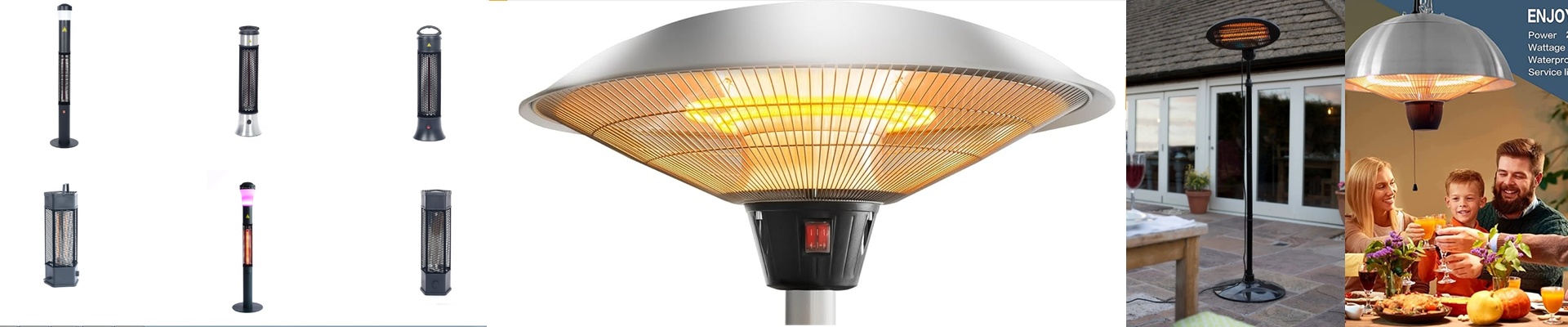
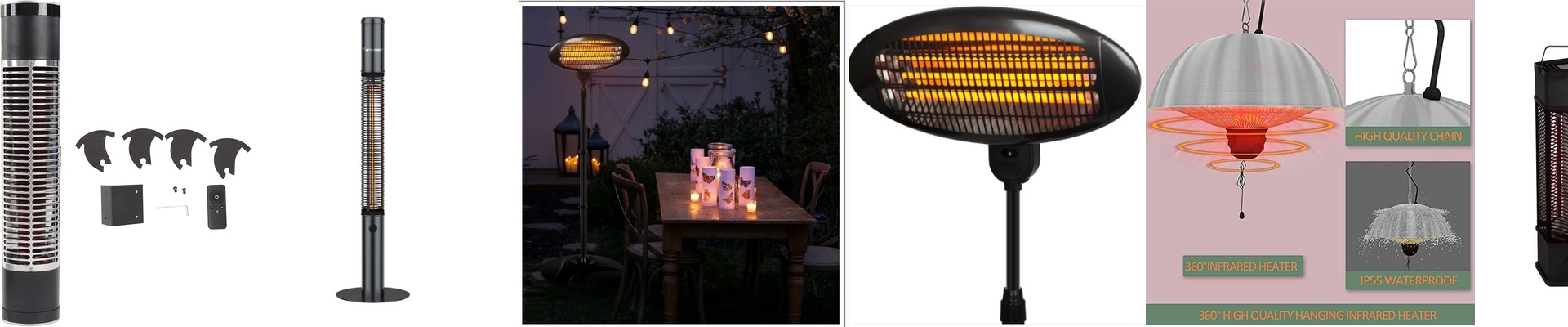
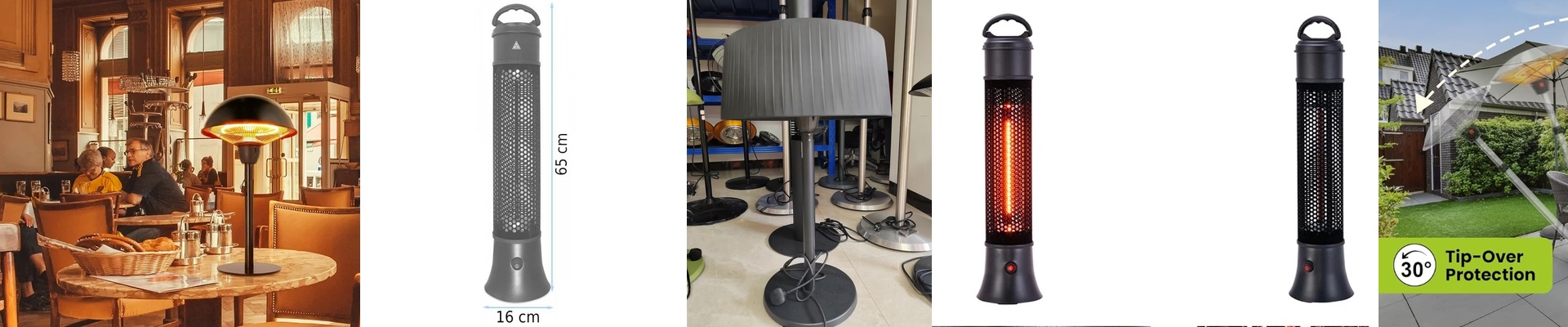
Let’s be honest: trying to stay warm on a patio in the middle of winter usually involves a lot of shivering while you wait for a heater to kick in. That’s why we lean on infrared. Unlike those old-school heaters that try to warm up the entire outdoors (which is basically impossible), infrared goes straight for the target. It hits you and your guests directly. You flip the switch, and boom—you feel the heat instantly. Since these live outside, we use IP65-rated gear. That’s just a fancy way of saying they’re built to handle rain, snow, and dust without short-circuiting.
Getting Them to Talk to Your House
The real magic happens when you stop messing with manual dials and let your smart home handle the heavy lifting. We usually hook these heaters up to a central hub using things like Zigbee, Matter, or just standard Wi-Fi. Imagine this: you’re sitting on the couch, you tap a “Winter Mode” button on your phone, and the patio is suddenly cozy. There’s no waiting around. Whether it’s a tungsten filament or a ceramic element, these things hit full power in a fraction of a second. It’s almost like turning on a lightbulb, but for warmth.
A Few Things to Watch Out For
You can’t just plug these into any old outlet. First, the build quality matters. We use sealed gaskets and alloys that won’t rust, because moisture is the enemy of electronics. Then there’s the power. A few 2000W heaters can easily blow a standard circuit breaker if you aren’t careful. To avoid sitting in the dark, we always suggest running a dedicated circuit just for the heating. It’s a bit more work upfront, but it saves you a lot of headaches later.
The Catch (And How to Fix It)
Adding smart controllers adds a bit of complexity. You’re putting a digital “middleman” between your power source and the heater. Here’s the risk: if your Wi-Fi crashes or the smart relay dies, you’re stuck in the cold. To stop that from happening, we always put in a manual override switch. That way, if the tech fails, you can still flip a physical switch and get warm. Simple, reliable, and it keeps you from freezing while you reboot your router.