
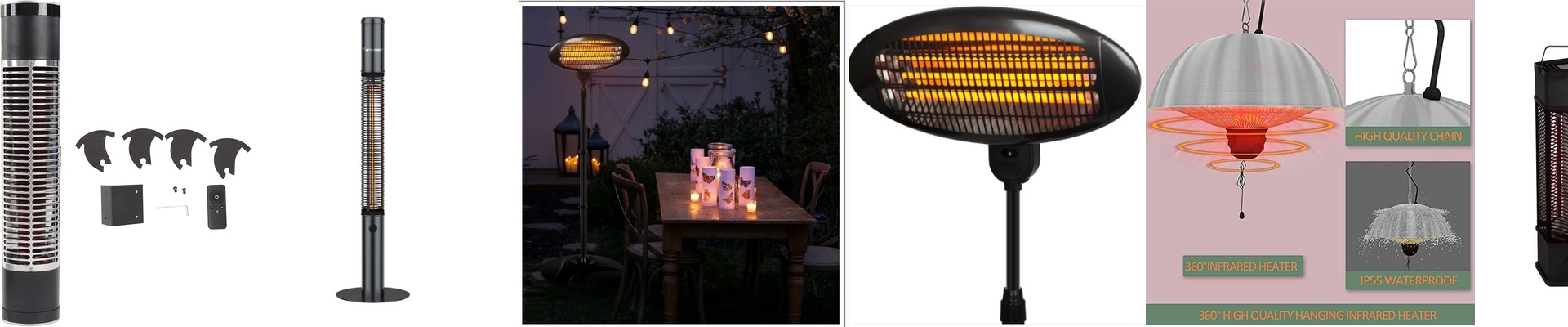
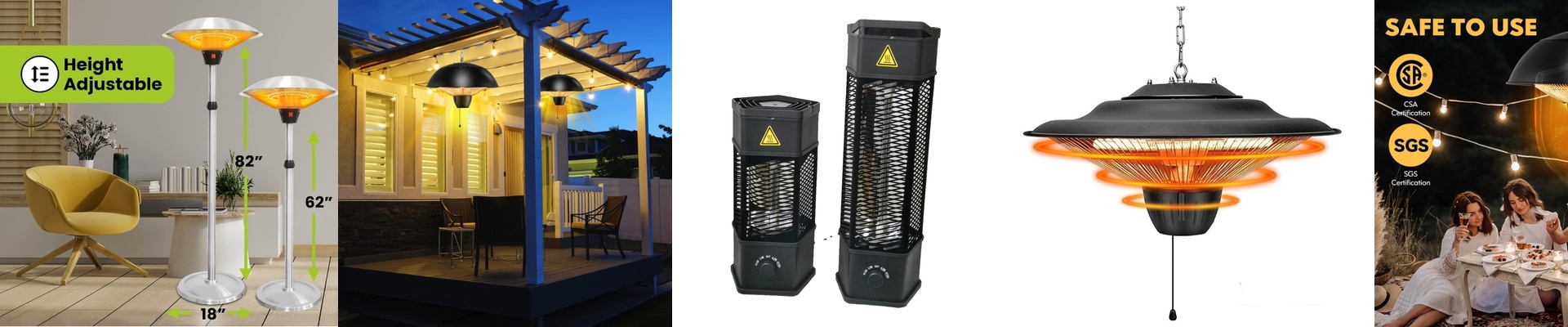
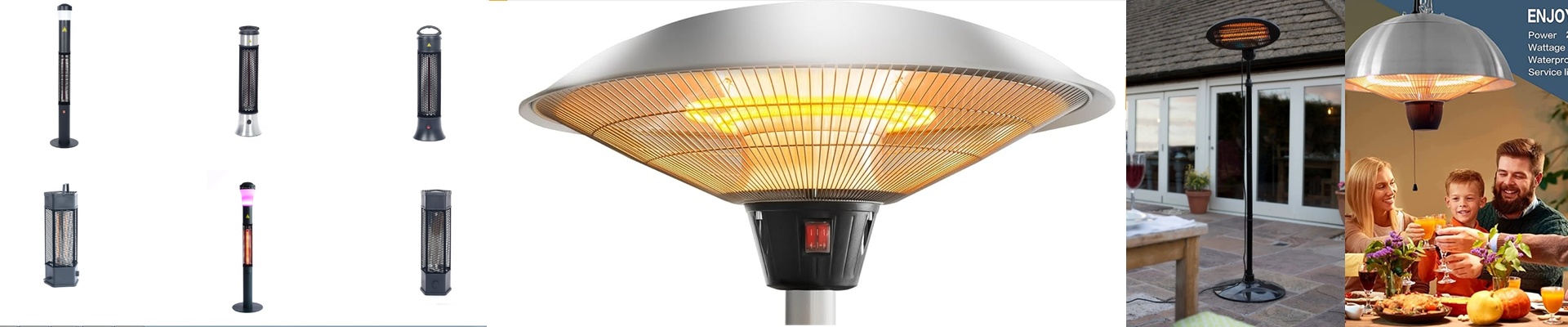
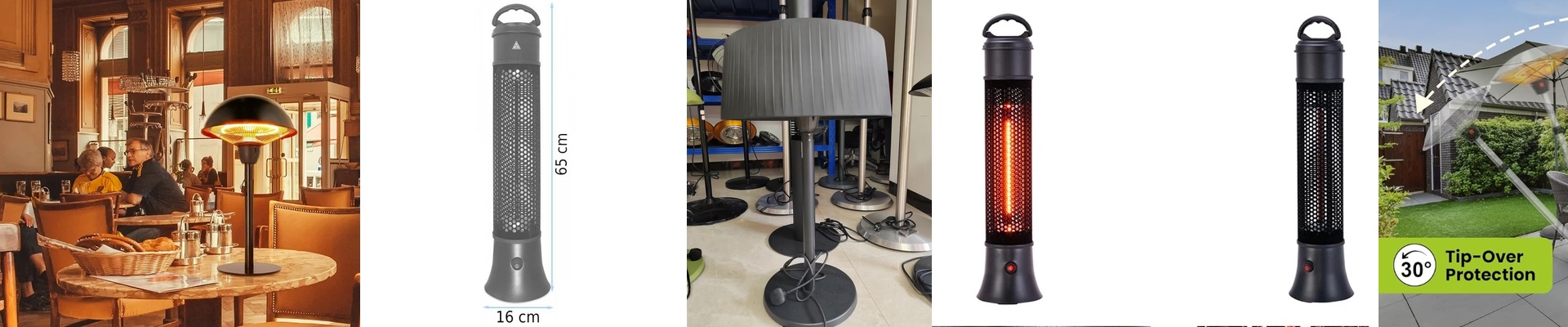
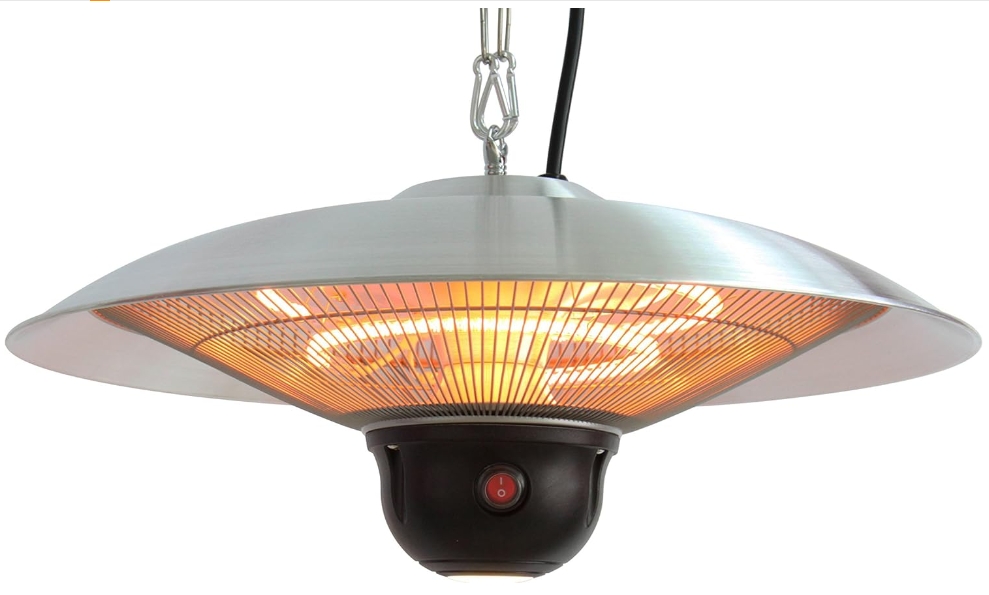
Outdoor evenings can go south fast. One minute guests are lingering over dessert, the next they’re reaching for jackets because the air has a bite. A patio radiant heater keeps that comfort going—but only if it fires up immediately, holds steady, and comes back season after season without drama.
What matters under the hood
We build these outdoor radiant heaters around infrared warmth, using a high-purity quartz tube and a nickel-chromium heating element. That combo is chosen for a fast heat-up and consistent output. Heat comes out as radiant energy, warming people and surfaces directly instead of chasing the air around. Flip the switch and you get instant heat, with no fan noise. The housing is sealed for outdoor duty, and you’ve got standard 120 V or 240 V connections depending on the model. A built-in thermostat keeps comfort steady instead of chasing ups and downs.
Why the burn-in matters
Before any heater hits your patio, it spends time under full load on our aging racks. Every unit runs a 100% full-load burn-in at rated wattage, and we measure current draw, element resistance, and thermal stability. That step catches early-life weak spots and settles components in, which is why we see fewer callbacks and a lower failure rate in the field. In practice, that means fewer surprises when the season turns, quicker warm-up, and output that holds steady as the evening cools.
Setup that actually makes sense
Radiant heat warms objects, not air, so drafts don’t wreck comfort the way they do with forced-air units. Still, performance comes down to line-of-sight and mounting height. Aim the heater toward the seating area and keep it clear of overhead obstructions. For the best results, pair the heater with a weatherproof outlet and follow the clearances in the manual. One practical note: in open-air spots, radiant heaters work best when positioned close to where people gather. If you’re in a very windy area, a shielded mounting location helps keep comfort where you want it.