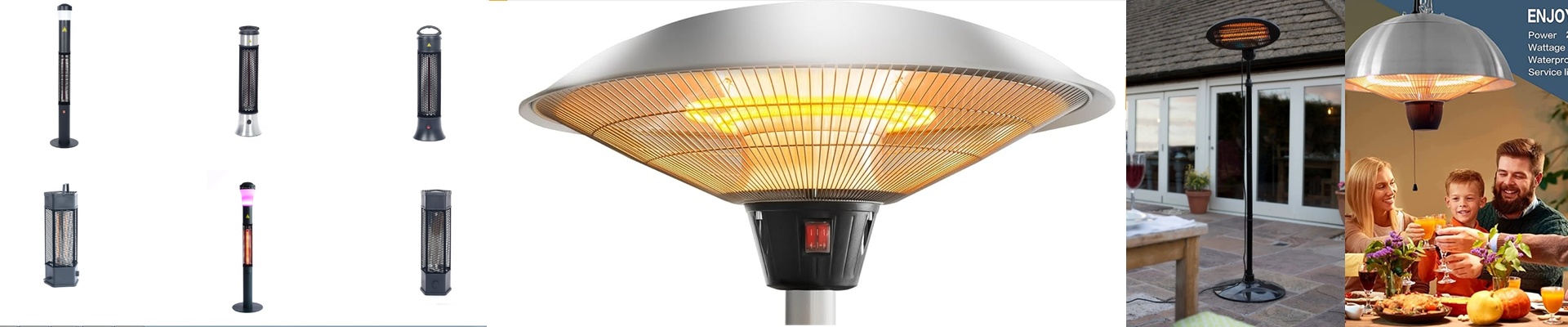


Basement air has a way of sitting heavy—cool, clammy, and stubborn. When the walls feel damp and the floor holds a chill, forced-air just moves the dampness around. You end up cold, and the room feels exhausted. We built this umbrella heater around a practical idea: give you warmth that actually dries the space while it makes the area comfortable.
What matters under the hood
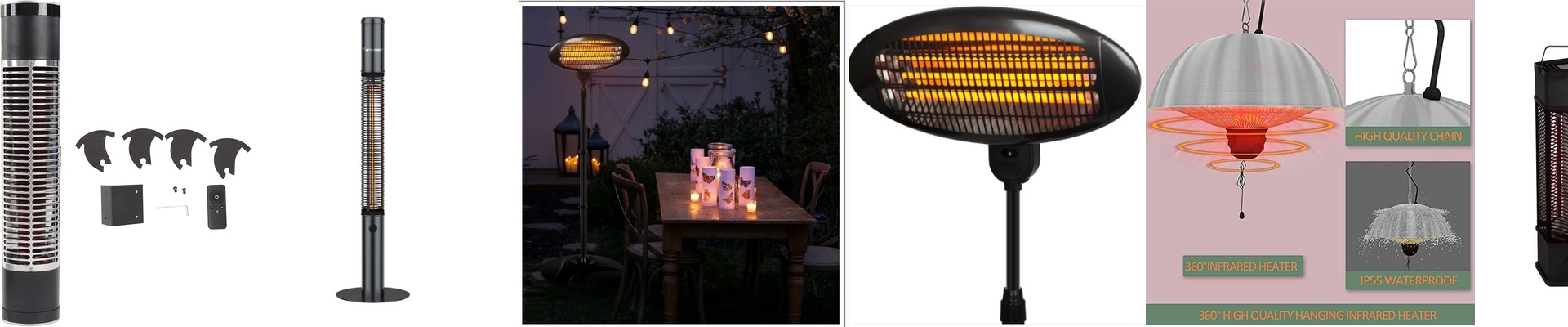
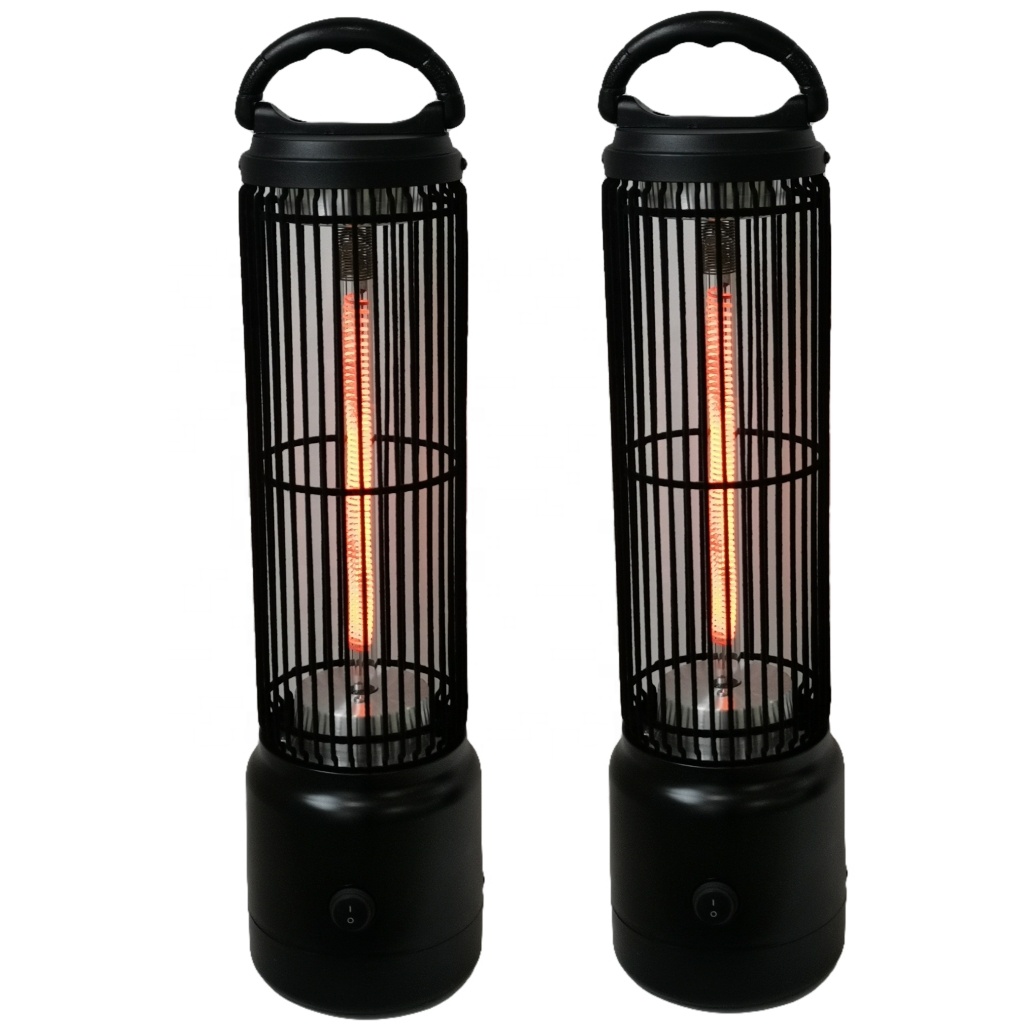
This low-power, wall-mounted infrared umbrella heater runs on a carbon-fiber element and short-wave infrared radiation. The heat goes straight to people and surfaces, not the air, so you feel it almost immediately. You get targeted warmth in a compact footprint—no need to heat the whole volume to make one spot usable. A built-in thermostat holds temperature steady, and it runs quietly. No fan noise. No drafts.
Why it makes sense in a basement
In a basement, moisture is the real problem. Radiant heat warms surfaces, which helps with moisture control and cuts down on that cold, sweating-wall feel. Because it’s wall-mounted, it stays out of the way and keeps floor space open. Low power draw keeps operating costs down, and the focused warmth means you can keep the area comfortable without trying to heat everything. The payoff is simple: a drier, cozier room—whether it’s a workshop, a media room, or just a quiet corner.
What you need to know
Installation is straightforward, but placement matters. Mount it at a height that spreads warmth across the main seating or work area, and keep it clear of direct water exposure. The design is more moisture-resistant than a lot of open-element heaters, but it’s not built for flooded conditions. For the best results, run it alongside good ventilation and whatever dehumidification you already use. Together, they keep the air comfortable and the space usable year-round.