
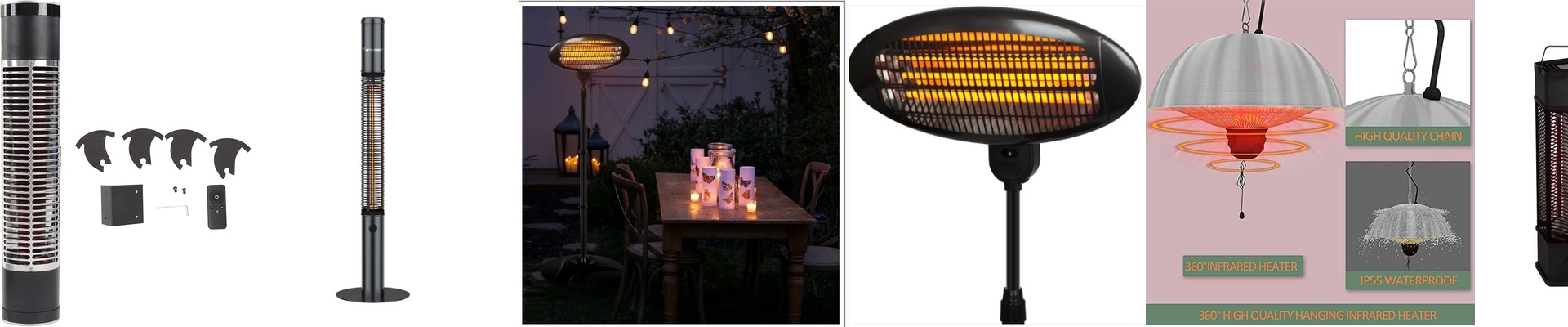



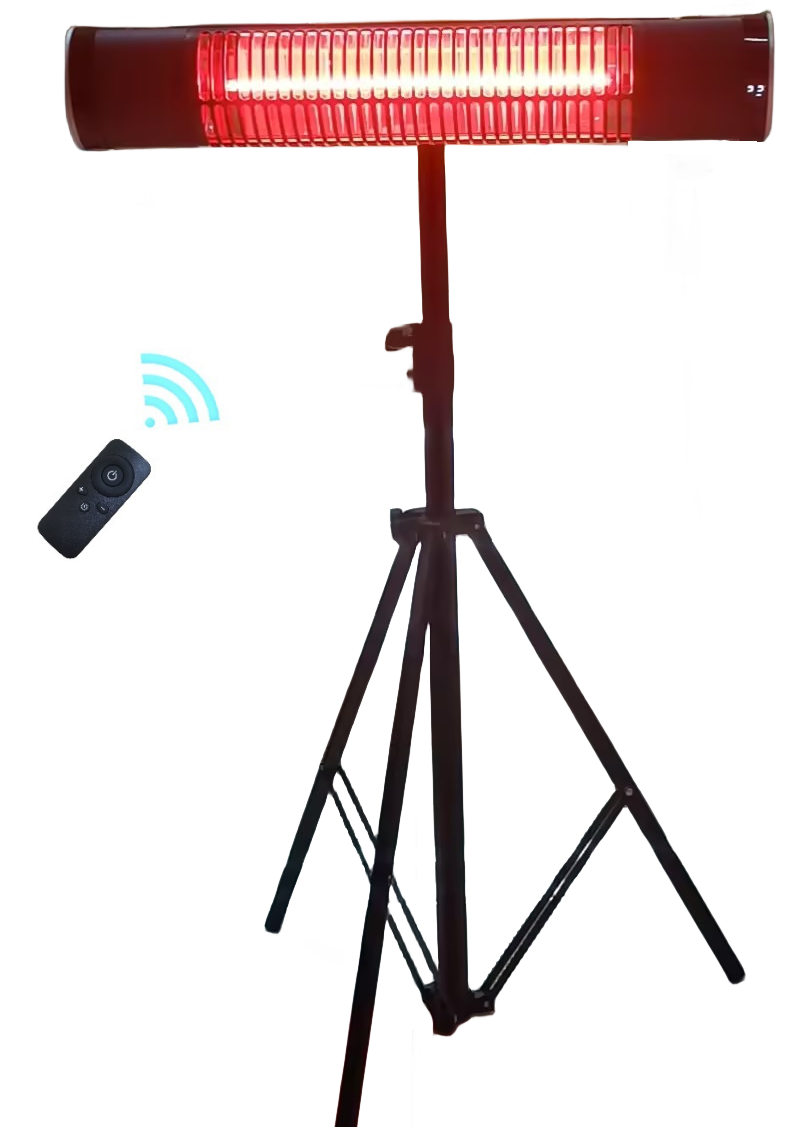
A garage workshop doesn’t mess around with weak heat. One underperforming heater means cold fingers, slower work, and finishes that won’t dry when you need them to. That’s why we put every infrared garage workshop heater through a full-power burn-in before it leaves the factory. This isn’t a checkbox test. It’s the quickest way to surface early-life weaknesses and keep failures off your job site.
What matters under the hood
We build this garage heater around infrared radiant warmth, so you get immediate, directional heat the second you flip the switch. The core is a carbon fiber element inside a sealed quartz tube—chosen for fast heat-up and even, long-life output. No waiting for a fan to spin up. Just instant warmth that holds steady through long work sessions. We pair the element with a thermostat and standard safety protections, including tip-over protection and overheat protection. The housing is workshop-tough, with a rugged outer shell and a sealed heating chamber that keeps dust and debris out of the hot zone.
Why this approach fits the garage
In a garage, heat has to show up fast and stay consistent. Infrared does that because it warms people, tools, and work surfaces directly, instead of trying to heat all the air in a big, drafty space. You get to work sooner, keep your hands steady, and stay comfortable even when the door keeps opening and closing. The 100% burn-in matters because it mimics real duty. We run the unit at full power, cycling it under load to expose component stress, weak solder joints, and connection issues that only show up after heat and time. The payoff is fewer callbacks, fewer surprises, and a heater that behaves predictably when you need it most.
What to keep in mind
Infrared heat is direct, so placement matters. Mount the heater where the beam hits your work area, and don’t block it with stored materials. And remember: radiant heaters don’t replace ventilation. Keep fresh air moving to prevent any buildup from solvents, adhesives, or exhaust. For best results, size the heater to your space and pick a model rated for the environment you actually run in. If your garage is damp, look for an IP rating suited to moisture. And if you plan to run for hours, hardwiring is often the cleanest, safest way to go.