

Stop Fighting Your Waterproof Heaters
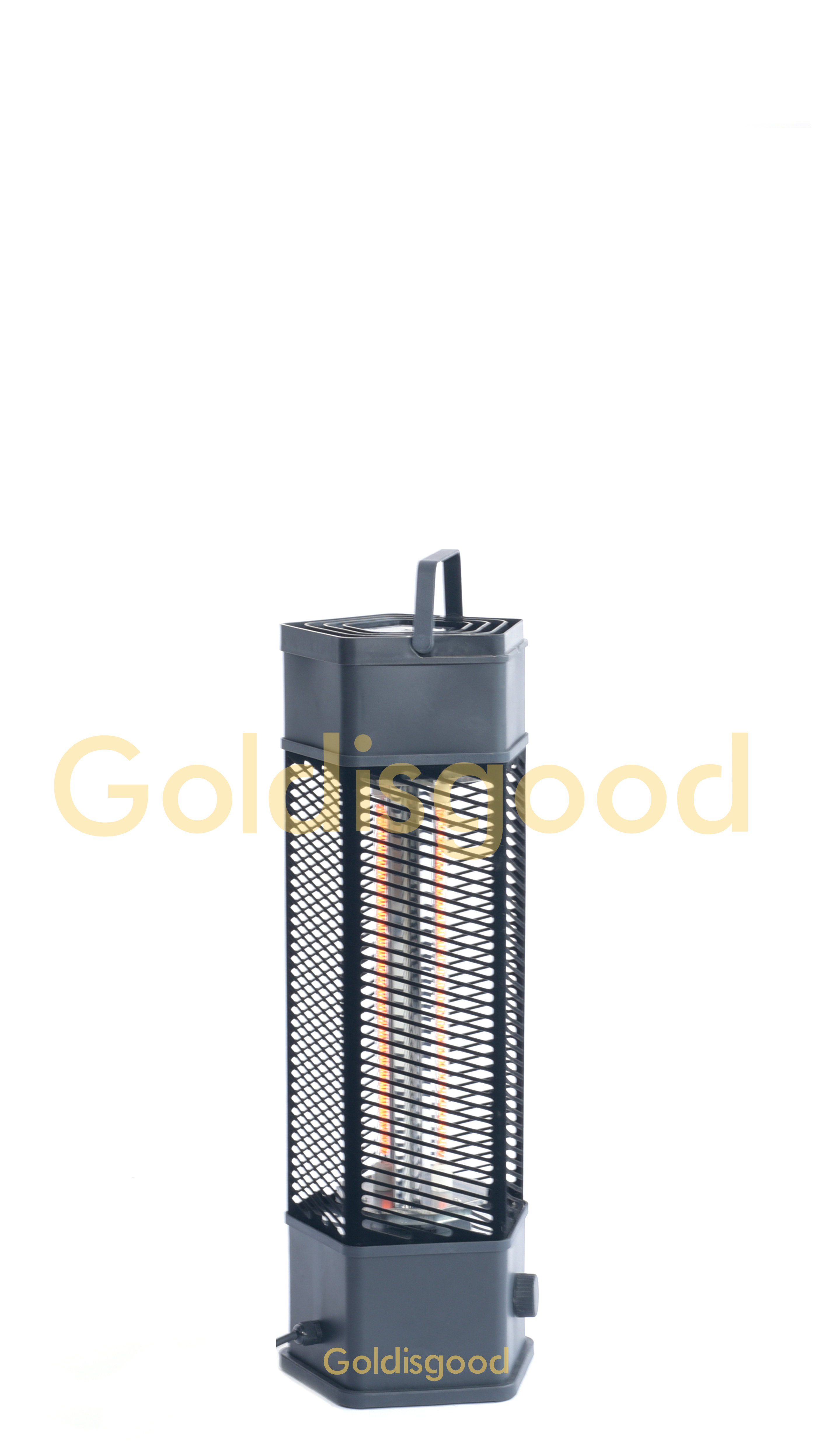
Let’s be honest: servicing waterproof electric heaters is usually a total nightmare. When you seal a unit to IP65 standards to keep the dust and gunk out, you basically lock the heating elements in a vault. It sounds great on paper, but the second a single tube burns out, you’re in trouble. What should be a quick fix turns into a massive teardown project. The headache with the old way Most IP65 heaters are built like one giant, solid block. If one infrared tube dies after five years, you can’t just pop it out. You have to strip the entire chassis and break those waterproof seals. And here is the scary part: once you break those seals, you’re praying you can get them perfectly airtight again during reassembly. If you mess up, the whole unit is compromised. All that for one tube? It’s a waste of hours and a lot of unnecessary stress. A better way to build them We got tired of that, so we changed how we do things. Instead of hard-wiring everything into one frame, we went with a modular setup. Think of it like a cartridge system. Each infrared element lives in its own little replaceable pod. Now, you don’t have to dismantle the whole machine. You just pull the dead module out, slide a new one in, and lock it down. We added quick-connect terminals too, so you aren’t messing around with a full rewire. It turns a four-hour ordeal into a ten-minute swap. It’s a relief. The catch (because there’s always one) Here is the trade-off: more parts mean more places where water could potentially sneak in. A welded box is airtight, but it’s a pain to fix. To keep things IP65 while staying modular, we use compression gaskets and reinforced seals at every joint. But gaskets aren’t forever. They wear out. You’ll need to keep an eye on them and probably swap them every few years to make sure the unit stays dry. It’s a small price to pay for not having to rebuild the whole heater. What this actually means for you If you’re running a production line 24/7, you know that every minute of downtime feels like an hour. With this design, you can just keep a few spare modules on a shelf. When a tube goes, you drop in a replacement and get the line moving again. No soldering. No complex manuals. Just a quick swap and you’re back in business.