


Winter mornings in the garage bite. You feel drafts slipping under door seals and rolling in through the bay doors, stealing heat straight from your hands and joints. When an auto tech’s fingers go stiff, every bolt takes longer, every measurement gets sketchy. A conventional space heater pushes warm air around, but drafts rip it away. Infrared warmth? That’s a different animal.
What matters under the skin
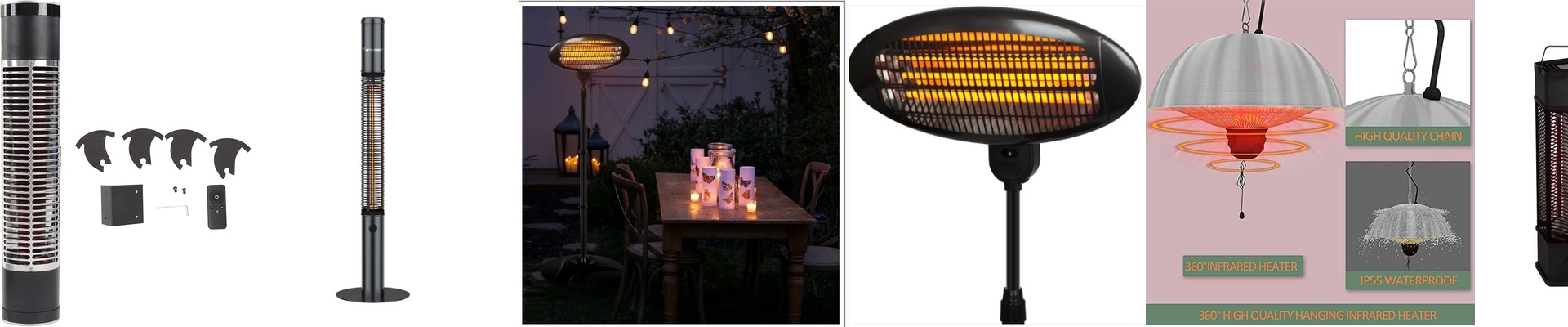
We built this electric heater around short-wave infrared, so the heat travels as radiation—through air, not by relying on air. You get immediate warmth on people, tools, and work surfaces, not just a rising reading on a thermometer. A high-efficiency carbon fiber element comes up fast, and a focused reflector puts the output where you need it. You’re looking at 1,500W of heat in a compact footprint, standard 120V plug-in convenience, and a housing rated IP34 for dust and splash resistance. Control comes through an app that handles scheduling, power adjustment, and status checks—so the shop starts warm without burning energy when nobody’s around.
Why it fits the garage reality
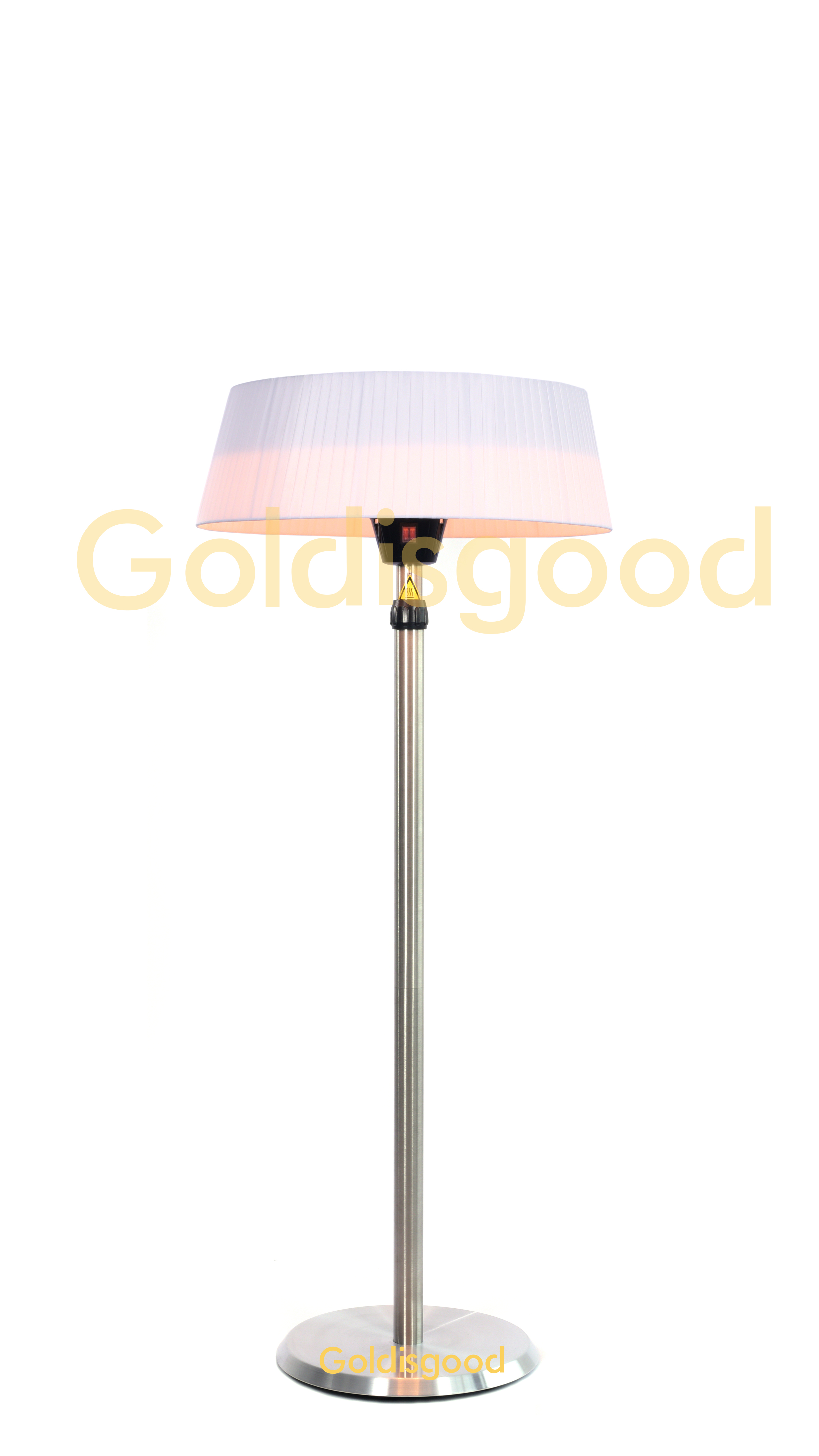
In a drafty workstation, radiant heat keeps the technician warm while the work stays close. Hands stay flexible, grip stays sure, and the fine stuff—torque, feel, steady hands—gets easier. Because the warmth is local, you’re not paying to heat the whole bay, and you’re not waiting on air to turn over. That translates to quicker service cycles, fewer mistakes, and a calmer, safer shop floor. And the heater stays out of the way. Mount it overhead or put it on a sturdy stand to keep the floor clear for rolling jacks and tool carts.
The practical details
This unit shines in open or semi-open spaces when you need spot warmth. For best results, position it so the beam covers the work area and keep direct glare out of the operator’s eyes. The app runs on a home Wi-Fi network, so signal strength matters. If you’re in a metal-walled garage, a small Wi-Fi extender can make the connection solid. As with any electric heater, keep the unit clear of clutter and give it space on a dedicated circuit. That’s how you avoid tripped breakers and keep things running clean.