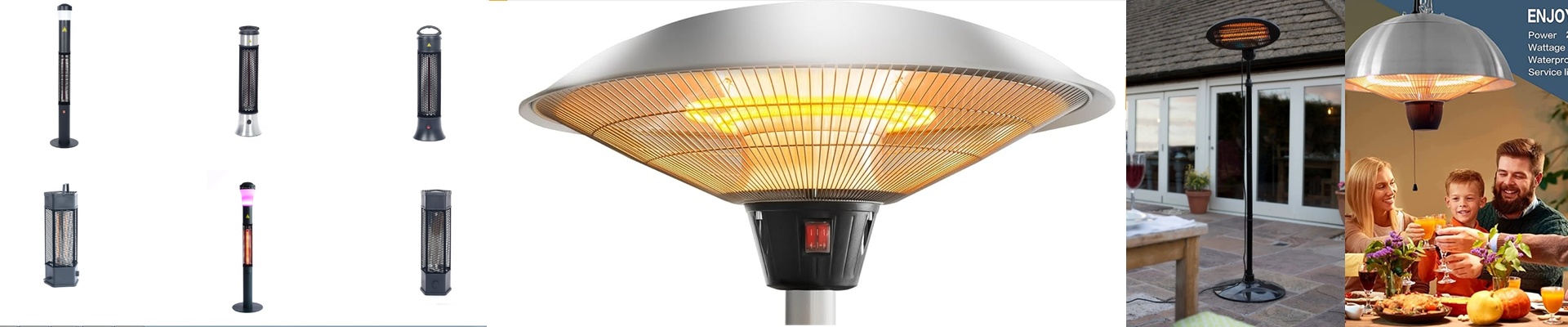

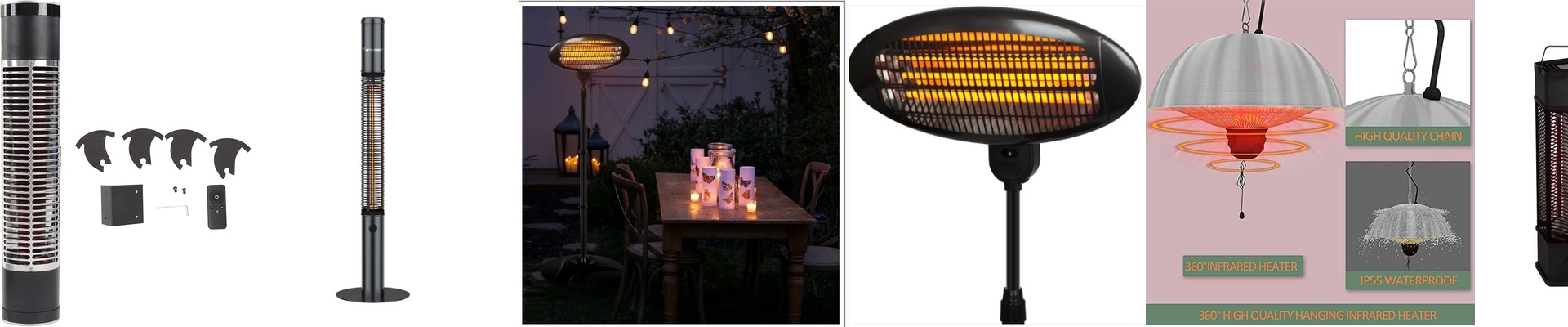

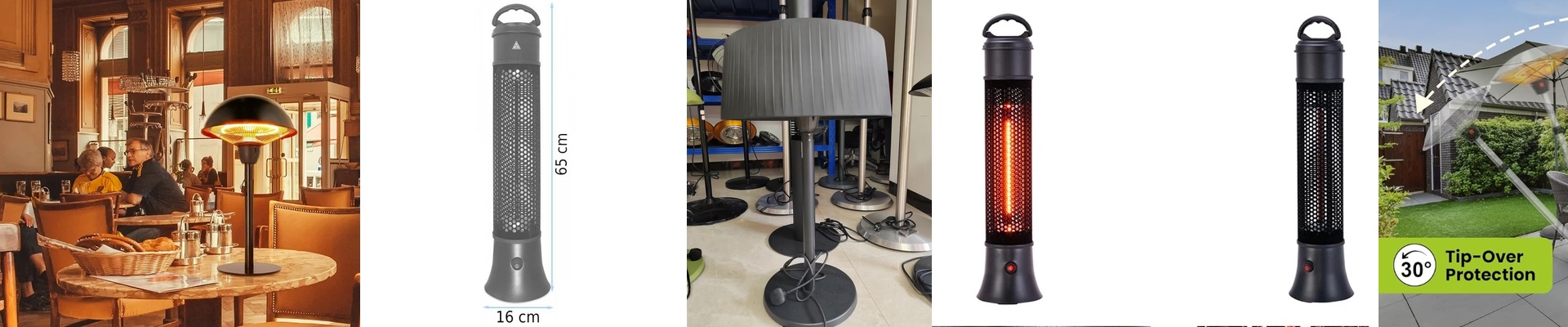
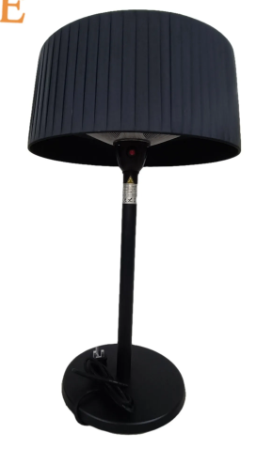
Winter air has two personalities: bone-dry or clammy. Forced-air heaters warm the room, sure, but they also strip moisture from your skin, leaving eyes irritated and wood furniture thirsty and cracked. Infrared space heaters take a different approach. They send warmth straight to people, furniture, and floors—not the air itself. The payoff is comfort that feels steadier, without that desert-dry feeling that makes indoor winter living a grind.
What matters, technically
Infrared heaters work on radiant heat, much like the sun—just without the UV. Our energy-efficient models use a carbon fiber or quartz element to produce short- and medium-wave infrared warmth. That wavelength profile cuts through the air efficiently and delivers heat right where it lands. Because the air isn’t the main heat sink, the unit doesn’t need a compressor or fan to move air, so you get quiet operation and energy use that stays focused. You feel it in the numbers, too. A typical 1500W infrared heater can deliver comfortable spot warmth without the on-off cycling you get from a convection heater. It heats fast, and because the heat is directional, you feel it within seconds of flipping the switch.
Why this works where you need it
In living rooms, sunrooms, and workshops, humidity is the quiet player. Radiant heat warms objects and people, not the air, so it sidesteps the constant evaporation cycle that dries out nasal passages and turns the room into a static magnet. The air feels more balanced, even while the heater is running. For homeowners, that translates to fewer dry throats, fewer shocks, and an overall calmer feel. For hobbyists, it means a steadier environment—glue cures more predictably, and materials aren’t fighting sudden dryness that can make them warp.
The things to keep straight
Infrared warmth is most effective when you’re in the direct beam—think of it as stepping closer to a campfire. It won’t heat an entire empty house as quickly as central heating, and it isn’t meant to replace a whole-home system. Put it where you actually spend time, aim it toward seating, and you’ll get the payoff. Installation is straightforward: plug into a standard outlet, keep clearances clear, and pick a model with tip-over protection. If you want coverage across a room, pair an infrared heater with a gentle humidifier to dial in comfort.