
Keeping Your Smart Fab Trolleys from Overheating
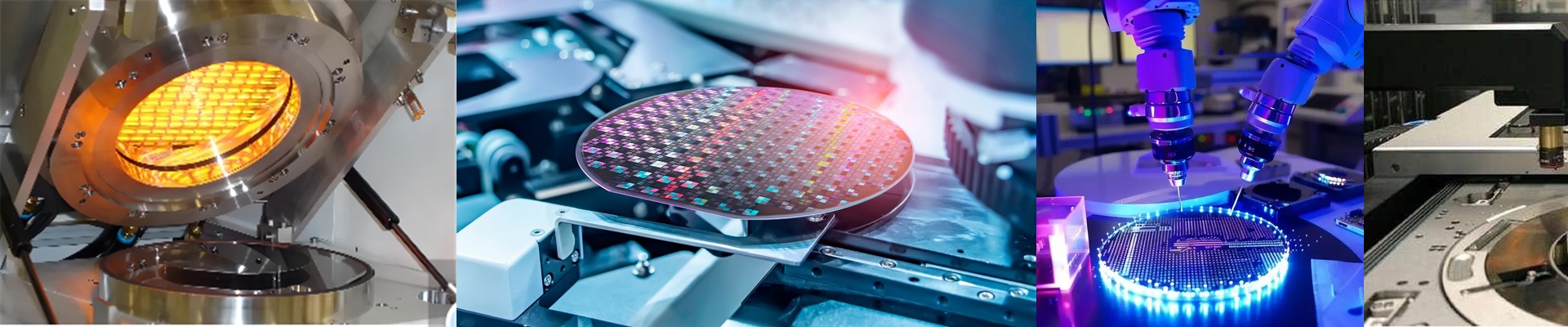
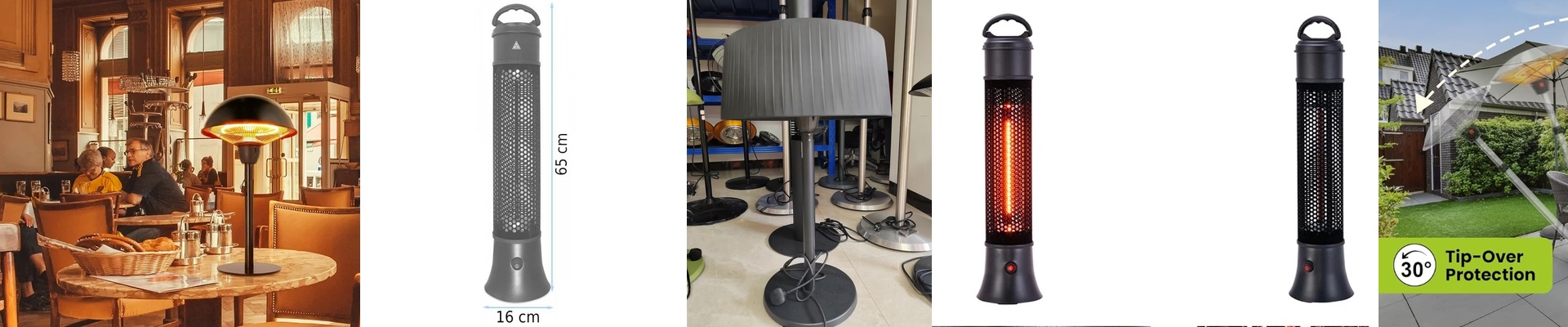
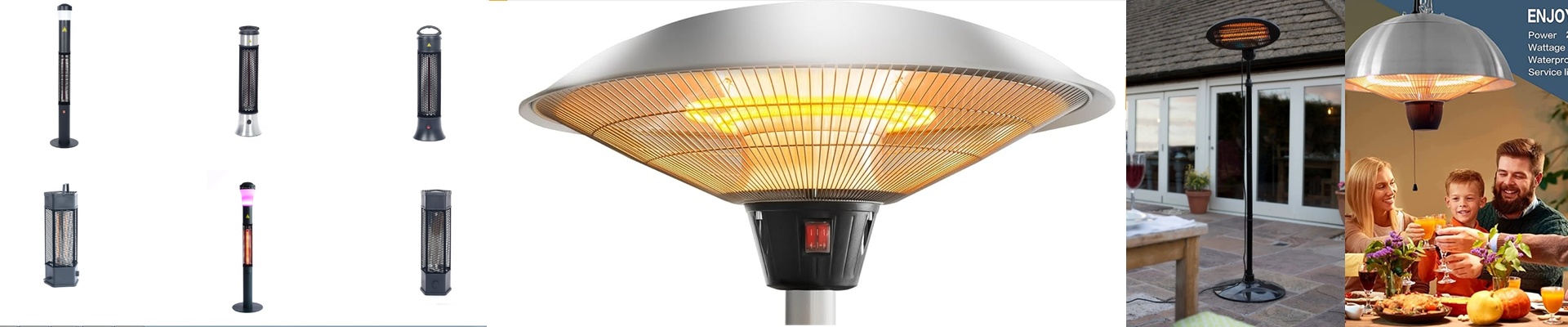
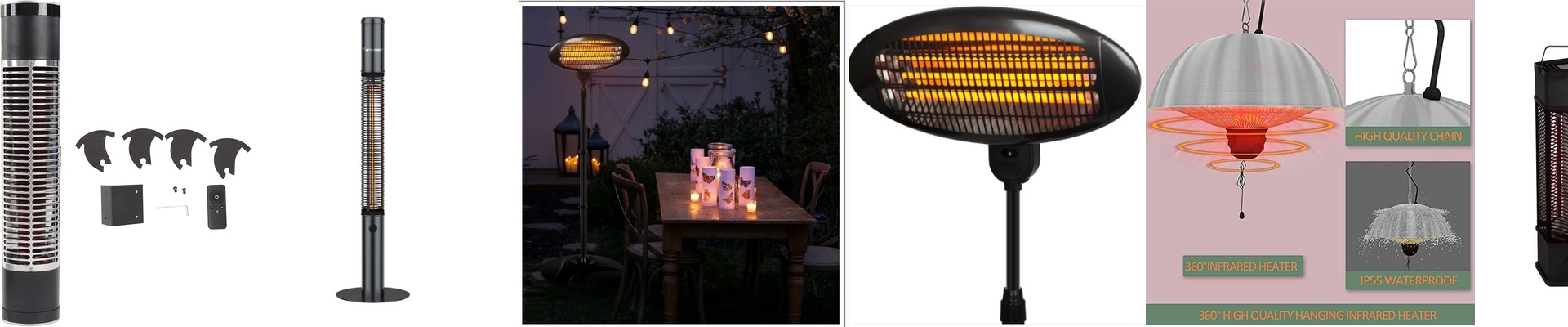
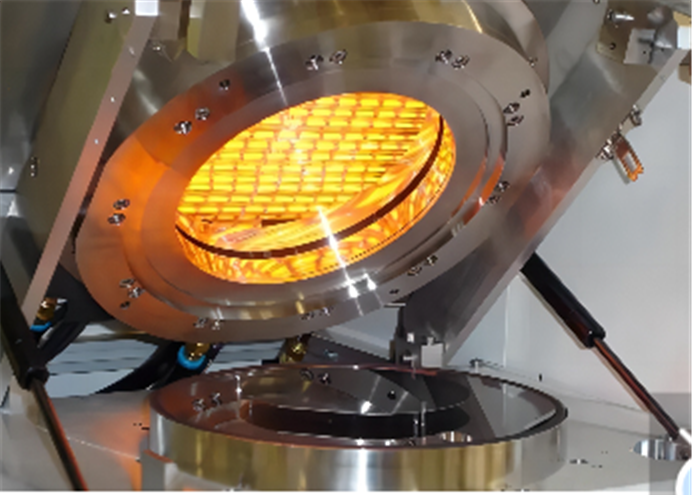
If you’re building out a Smart Fab for Industry 4.0, you’ve probably realized that managing heat is a whole different beast than it used to be. Old-school convection heating is just too slow. It’s bulky, it’s clunky, and it’s a nightmare for clean room trolleys. That’s why we lean on high-efficiency infrared (IR) systems. Instead of trying to heat up the entire room just to get one trolley warm, IR sends energy exactly where it needs to go. Your air stays stable, your power bills stay low, and everything just works better.
Smart Heat, Not “Set and Forget”
In a digital production line, “set it and forget it” is a recipe for disaster. You need heat that listens. We hook our IR systems directly into the PLC so they can react instantly. By pairing these heaters with sensors, we create a loop where the system is constantly talking to itself. Whether your trolley is fully loaded or nearly empty, or if there’s a sudden draft in the room, the temperature stays exactly where it should be. Plus, you get a clear look at your energy use and heat distribution in real-time. If you’re going digital, this is the baseline.
Why IR actually makes sense for Clean Rooms
Space is tight. IR heaters have a tiny footprint, meaning we can tuck them right into the trolley chassis without making the whole thing awkward to move around. But here’s the best part: radiation. Since IR transfers energy through radiation, you don’t need those massive fans that blow particles all over the place. Your wafers stay clean. No contamination, no drama. We use short-wave IR because it hits the target material directly. It doesn’t waste time warming up the air around it.
The Catch: Power vs. Cooling
Now, there’s a trade-off. High-density IR arrays get things hot fast, but they also create some serious hotspots where they’re mounted. If you go for a high-wattage system to get a rapid ramp-up, you have to think about where that heat goes. If the trolley frame can’t breathe or dissipate that heat, you’re looking at warped chassis or annoying thermal alarms screaming at you from the monitoring station. **Pro tip:**Use high-temp cabling. Trust me, you don’t want to deal with melted insulation in the middle of a shift.