Getting the Heat Right in Bio-Sensor Fabrication
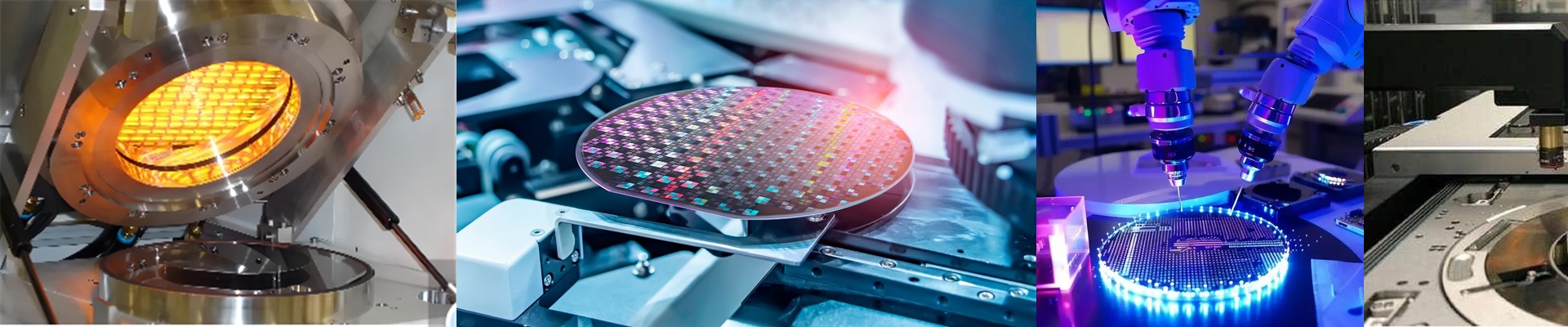
When you’re building bio-sensors, you’re walking a tightrope. You need enough heat to trigger chemical bonds and get those surfaces activated, but if you push it too far, you’ll fry your substrates. It’s a delicate balance. That’s why we lean on infrared (IR) systems. They’re fast. Really fast. And they give you the kind of pinpoint accuracy you just can’t get with bulk heating. Plus, in a modern “Smart Fab,” these systems aren’t just sitting there—they’re talking to digital controllers to keep production on track.
Balancing Power and Precision
Here’s the thing about spec-ing an IR system: it’s all about the trade-off between heat density and what your material can actually handle. High-wattage lamps get the job done quickly, which is great for curing. But if your voltage is off, you’ll end up with localized hot spots. That’s a nightmare. To stop your sensor layers from burning out, we use PID controllers. They modulate the power in real-time, acting like a dimmer switch that knows exactly when to back off.
The Gear and the Network
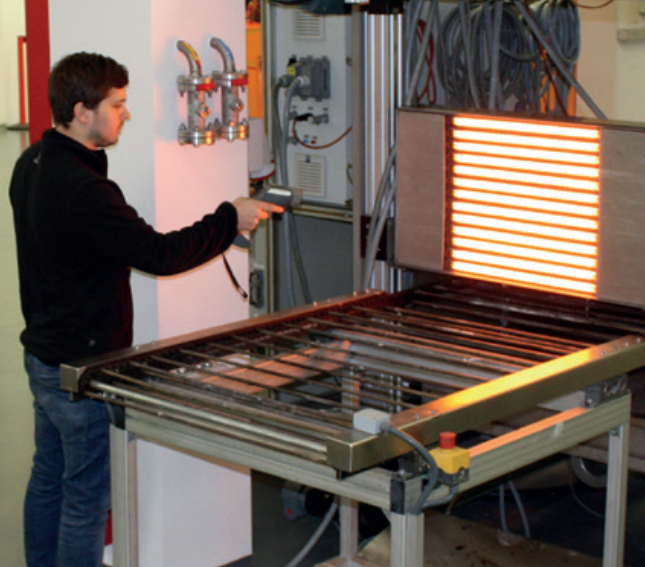
We use quartz-halogen lamps for this. Quartz is the way to go because it handles high temperatures without blocking the IR radiation. And because nobody likes downtime, we designed these for quick-swap installations. When a tube finally hits its end-of-life, you just pop it out and put a new one in. No drama. But the real shift is how these lamps fit into the bigger picture. They aren’t just standalone tools anymore; they’re part of a network. By linking the IR output to actual sensor feedback, you can tweak the heat profile on the fly depending on how the current batch is reacting.
The Catch
Fast ramp-up times are the big win here, but there’s a trade-off. High-intensity IR puts out a lot of waste heat. You can’t just plug these in and forget about them. Your HVAC and cooling manifolds need to be beefy enough to suck that ambient heat out of the cleanroom. If your cooling is too weak, your surrounding electronics will start to drift. And once that happens, your calibration is toast.