



Why We’re Moving to IR Curing in the Fab
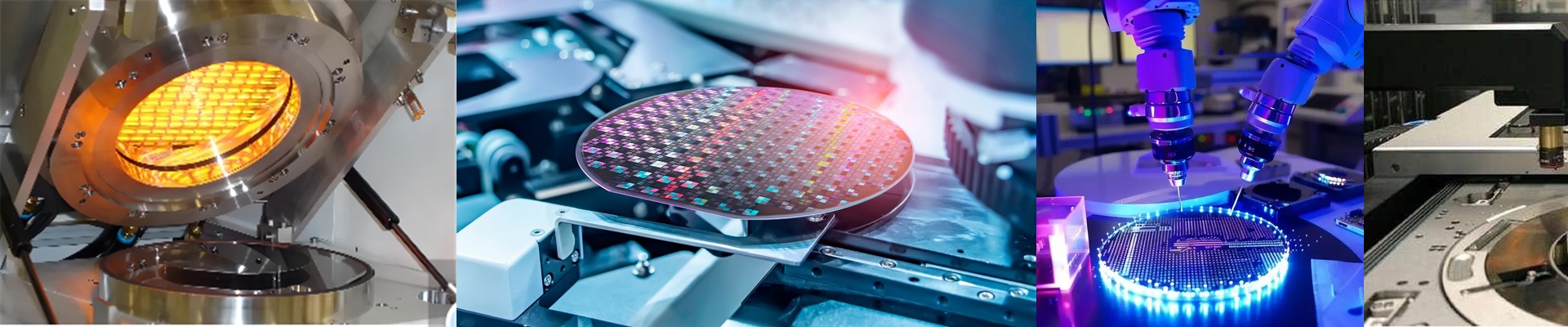
When you’re upgrading a clean room, it usually comes down to two things: stop wasting power and stop pumping out nasty emissions. For years, we relied on convection ovens. But here’s the problem—they spend a huge amount of energy just heating up massive volumes of air. It’s inefficient. Plus, moving all that air around is just asking for contamination to hit your wafers. That’s why we switched to infrared (IR) curing. Instead of heating the room, it just hits the substrate. Simple.
How it actually works
Think of it like the sun hitting your skin on a cold day. You don’t need the air around you to be hot to feel the warmth. IR uses electromagnetic radiation to dive straight into the coating or photoresist layer. This kicks off a chemical reaction almost instantly. The cure time drops significantly. And because it’s so efficient, you can ditch those solvent-heavy accelerators. It’s a much cleaner way to work, and your carbon footprint looks a lot better.
Getting the precision right
We build these systems to pack a lot of heat into a tiny space. You can actually tune the wavelength—switching between short-wave and medium-wave—depending on how deep you need that heat to go. If you’re running a high-volume line, this is a lifesaver. You can shrink your drying tunnel, which means you get some of your floor space back.
The catch (because there’s always one)
Now, IR isn’t a magic wand. The heat is intense. If you’re working with a thin or sensitive substrate, it’s easy to overheat the edges of the wafer. You have to be careful. You’ve got to balance the lamp wattage with your conveyor speed and your cooling zones. If your cooling setup can’t handle the radiant load, you’ll end up with warped wafers. And nobody wants that.
Making it fit
If your electricals are already set up, swapping an old convection unit for IR lamps is pretty straightforward. There are no combustion gases. No fumes. Just a clean, electric process that keeps the environmental inspectors happy and meets every global standard in the book.