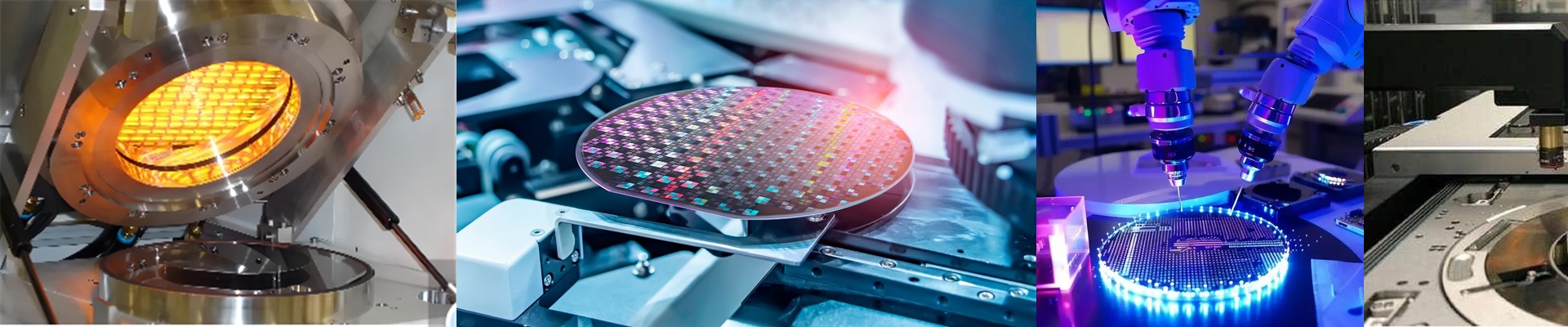
IR Heating vs. Hot Air: Why Your Fab is Waiting Around
Most fab lines are still stuck using hot air circulation. I see it all the time. The real killer here is the lag. Air is just a terrible conductor. You end up sitting there, watching the clock, waiting for the chamber to actually hit your set point. Those ramp-up and ramp-down cycles aren’t just annoying—they’re eating your throughput alive. The speed difference is wild. Infrared (IR) heating just cuts out the middleman. Instead of heating the air to eventually heat the wafer, it sends energy straight to the target via electromagnetic radiation. In deep processing, this is a massive win. It’s nearly instant. You get your heat where it needs to be, your cycle times drop, and you don’t need as much floor space for bulky equipment. Now, let’s talk about the quartz shields. Those fab lamps run incredibly hot. To keep the heating elements from frying, we wrap them in high-purity quartz glass. These shields do two big jobs. First, they keep contaminants away from the filament so your lamps don’t burn out prematurely. Second, they help spread the heat out evenly. We use quartz because it doesn’t flinch at high temperatures. It lets those specific IR wavelengths slide right through without soaking up the energy. If you try to cheap out with low-grade glass, it’ll either crack or get cloudy, and your heat uniformity goes right out the window. But it’s not all magic. Switching to IR comes with its own set of headaches. You get the speed, but you lose the “wrap-around” effect of hot air. IR is all about line-of-sight. If the lamp can’t “see” it, it won’t heat it. That means you have to be obsessive about your lamp placement and shield angles. One wrong move and you’ve got cold spots. And a quick word of warning: keep an eye on your cooling. Those lamps pack a lot of heat into a small area. If your cooling system isn’t beefy enough to handle that density, you’re going to warp your fixtures. Before you drop these into an existing line, take a long look at how your heat is actually escaping. It’ll save you a lot of grief later.