Stop Wasting Heat in Your Semi Tooling
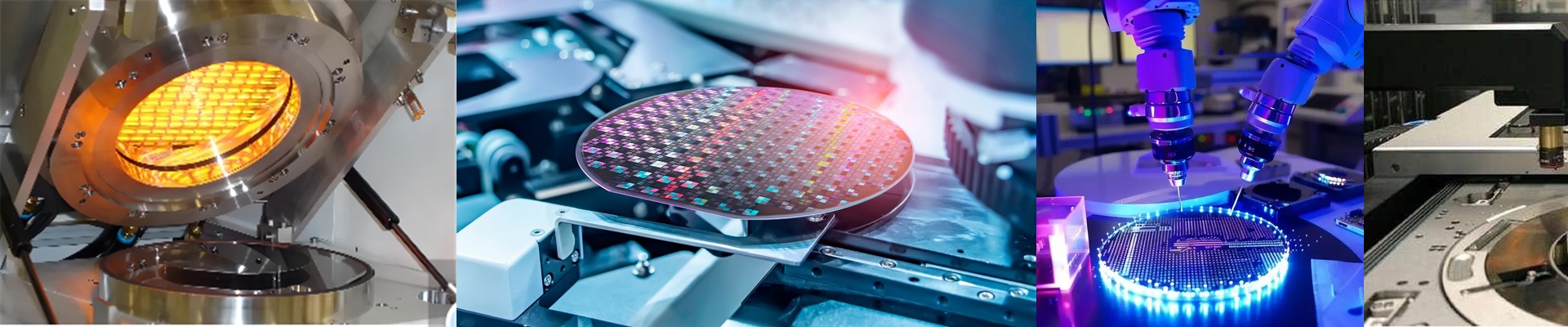
Most standard infrared heaters are a bit messy. They bleed energy everywhere. When you’ve got them crammed into a tight semiconductor housing, you end up with “heat soak.” That’s when the inner walls of your machine get so hot they’ll actually burn an operator or trip a thermal alarm. It’s a headache. We handle this by pairing directional IR lamps with digital controllers. Instead of heating up the whole chassis, we point the energy exactly where the substrate is. Period.
How the heating actually works
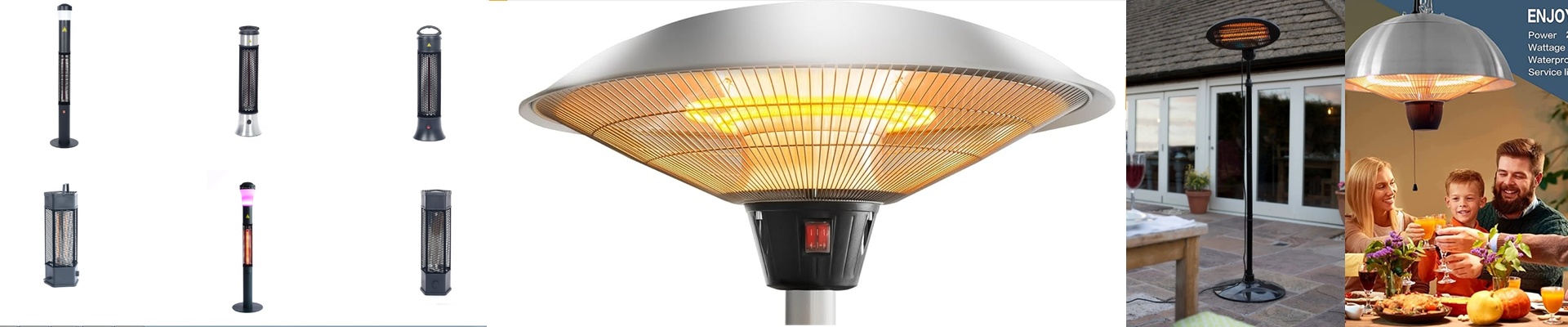
We use short-wave infrared emitters with a reflective backing. Think of it like a flashlight instead of a bare lightbulb. Instead of radiation spraying in every direction, the reflector pushes those photons straight at the target. The energy doesn’t scatter. You get a concentrated beam of heat. But you can’t just blast it. If you run these at full tilt without a proper PID loop, you’re going to scorch your workpiece. That’s where the digital controller comes in—it manages the duty cycle so you don’t overshoot your target temp.
Keeping things cool (and safe)
Here’s the best part: when the inner walls stop soaking up waste heat, the ambient temperature inside the cabinet drops. Your sensitive electronics nearby aren’t baking anymore. Plus, your cooling fans don’t have to scream at max speed just to keep up. We’ve seen a massive drop in surface temperatures on the equipment skin. It means your operators can actually touch the machine without needing oven mitts.
The honest trade-offs
Look, directional heating isn’t a magic fix. Since you’re concentrating all that energy into one spot, the heat density at the focal point is way higher. You have to get your mounting distance exactly right. If the lamp is too close? You’ll get a hot spot that warps your parts. You’ve got to calibrate the distance and the power output to match your material thickness. And for heaven’s sake, use high-temp cabling. If you don’t, your leads will fry before the lamp even gets up to temperature.