A Better Way to Heat Semiconductor Equipment
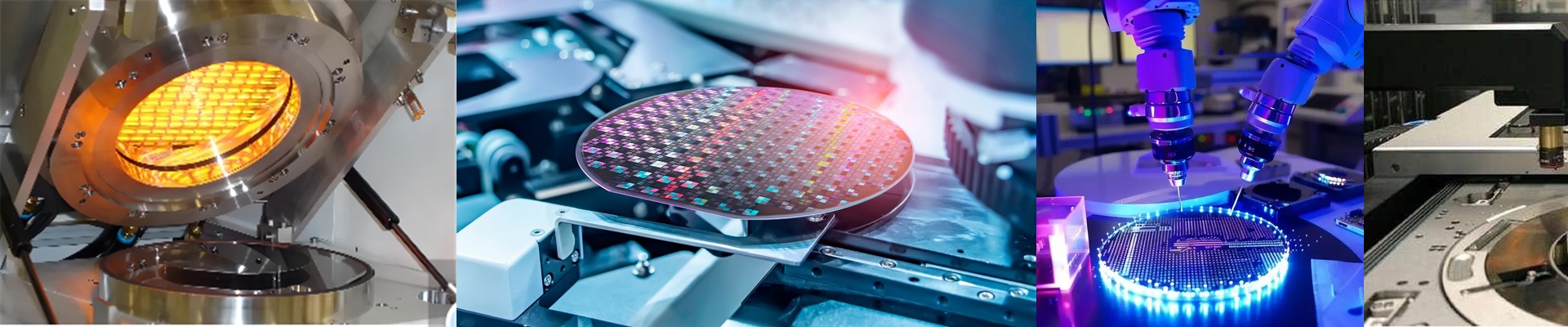
Ever noticed how some machines just get… hot? Not just the part you’re working on, but the whole chassis. That’s the problem with standard convection heaters. They try to heat the air, which ends up heating everything—including the walls of your machine. In a cleanroom, that’s a nightmare. You get “hot walls” that can actually burn someone or, worse, mess with the thermal stability of your wafers. We decided to stop fighting the air and start using directional infrared (IR) instead. How it actually works Think of it less like a space heater and more like a flashlight. IR lamps send out energy in a straight line. That energy doesn’t just float around; it only transfers when it actually hits something. By using reflectors and getting the positioning just right, we can aim that heat exactly where it needs to go. The workpiece gets the heat, and the inner walls of the tool stay chill. No more waste, no more soaking the equipment skin in heat. The “Gotchas” of High Heat We go with short-wave IR emitters because they pack a lot of punch in a tiny footprint. It means you can hit your target temperature fast. Really fast. But there’s a catch. Because the energy is so concentrated, your alignment has to be spot on. If your lamp is even slightly skewed, you’re not heating the part—you’re heating your chassis. To keep things clean, we wrap these in quartz envelopes. It stops outgassing, which keeps your particle counts where they belong. Just a heads-up: make sure your power supply matches the lamp’s wattage. If you don’t, you’re looking at a premature burnout. The Trade-off Here is the thing: directional heating solves the hot wall problem, but it requires a clear line of sight. If your part has weird geometry or deep nooks and crannies, the IR waves can’t “turn the corner.” You’ll end up with cold spots in the shadows. The fix is simple—either map out your heat distribution or use a few different lamp angles to cover the blind spots. Once you’ve got it wired up and the distance dialed in, it’s a win. The machine stays cool to the touch, and your process stays stable.