

Keeping Your Class 100 Cleanroom Actually Clean
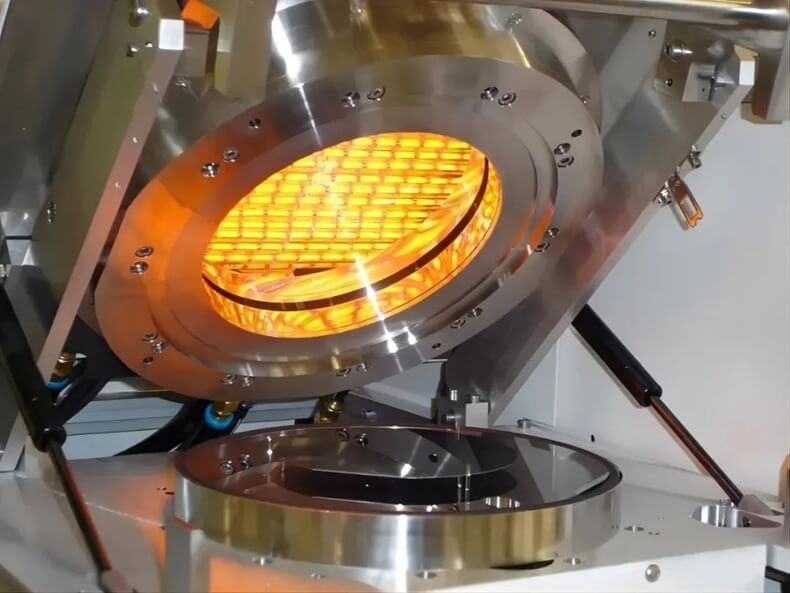
When you’re working in a Class 100 environment, the last thing you need is your heating elements shedding flakes or off-gassing into your workspace. It’s a nightmare. And if you’ve got a rinse cycle in the mix? Now you’re dealing with moisture, which is basically the enemy of a vacuum or a sterile setup. We’ve spent a lot of time figuring this out. The answer turned out to be high-purity synthetic quartz infrared lamps built specifically for those wet, high-stakes rinse applications. The fight against particulates Standard quartz is okay for some things, but under high heat, it can flake or release gunk. Not great when you’re chasing zero contamination. We use high-purity fused silica instead. It doesn’t expand much when it gets hot, which means it doesn’t shed those annoying microscopic bits of debris. Plus, since these are for rinse stages, we seal the lamps tight. If a single drop of water hits a glowing tungsten filament, the lamp is toast. Instantly. Dealing with the water To keep things airtight, we use specialized sealing at the end caps. This means you can put your heaters right in the middle of a high-humidity rinse zone without worrying about a leak. The quartz envelope is a beauty here—it lets short-wave IR radiation pass straight through. The energy goes exactly where it needs to go: right into your workpiece. A quick word of caution Here’s the thing: high-purity quartz is amazing for cleanliness, but it’s more brittle than the borosilicate glass you might be used to. Don’t squeeze the tube. Seriously. If you apply too much mechanical pressure during installation, it’ll snap. We always suggest using floating mounts. This gives the lamp room to breathe and expand. If your bracket is too tight, you’ll likely hear a pop the first time you power it up. Getting it into your line If you’re running semiconductor or medical device rinse lines, these lamps just slide right in where your old IR heaters used to be. The best part? Since you’re stopping the contamination at the source, you can stop stressing about secondary filtration for your heated air or liquids. Just double-check that your power supply can handle the wattage. You don’t want those long cleanroom cable runs causing a voltage drop and killing your efficiency.