Stop Heating Your Machine and Start Heating Your Part
Here is the problem with standard infrared lamps: they blast heat in every single direction. If you’re working with tight semiconductor housings, that’s a nightmare. Most of that energy doesn’t even hit your workpiece—it just slams into the inner walls of the machine. Before you know it, the chassis is hot enough to burn an operator’s hand or trigger a total thermal shutdown. Not exactly the kind of day you want to have.
Why Gold?
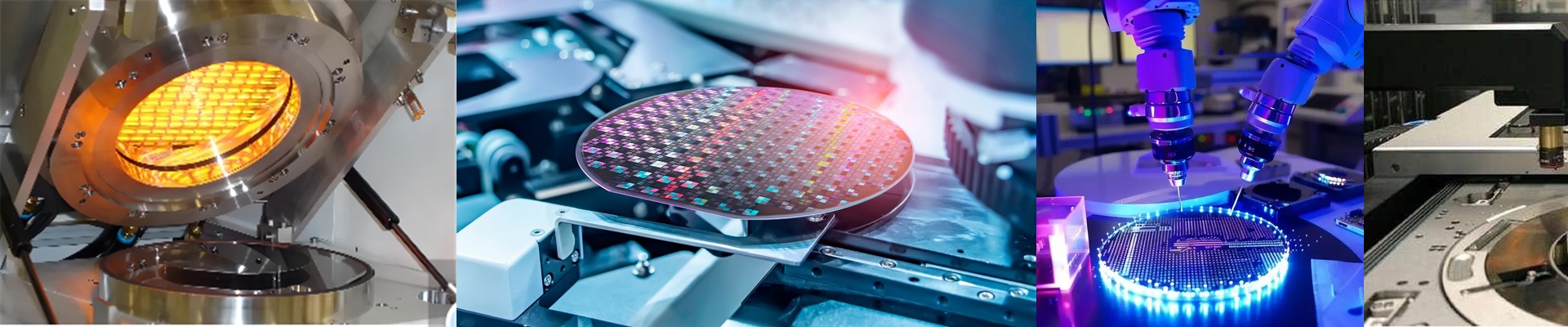
We figured out a better way by adding a gold-coated reflector. Now, I know what you’re thinking—gold? But it’s not for looks. Gold reflects infrared radiation way better than aluminum does. By tucking the bulb into a gold-plated housing, we basically catch all that wasted heat heading the wrong way and bounce it right back toward your target. It turns a glowing bulb into a focused beam. The best part? The inside of your equipment actually stays cool.
Getting the Heat Right
When your heat is directional, you can stop guessing on your power needs. You don’t have to crank up the wattage just to make up for all the energy leaking into the walls. You can use a lower-wattage lamp and still hit your target temperature. It’s just more efficient. One thing to keep in mind: watch your focal point. Because the gold reflector concentrates the beam, the center of your target gets a lot more heat. If your part is sensitive to hot spots, just slide the lamp back a bit to spread things out.
Safety and Setup
Keeping the “wall heat” down isn’t just about saving a few bucks on power. It’s about the person running the machine. When the cladding stays cool, your team doesn’t have to worry about contact burns during maintenance. It just makes the whole shop safer. As for the setup, these units plug right into your existing PID controllers. Since the gold reflector does the heavy lifting, you’ll probably notice your duty cycle drops. That’s great news for your filaments—they’ll last a lot longer. Just make sure your ventilation can handle the concentrated heat at the target zone, and you’re good to go.