
Keeping Your Class 100 Cleanroom Actually Clean
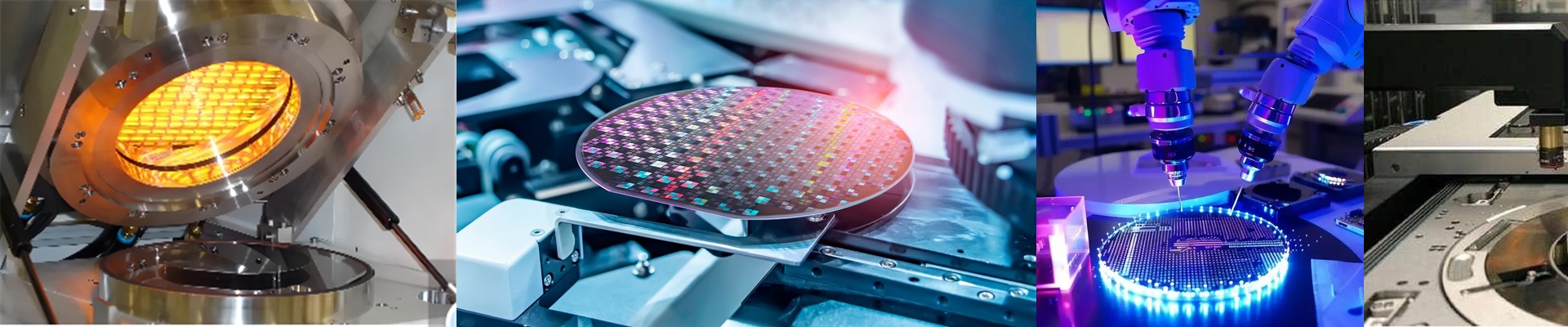
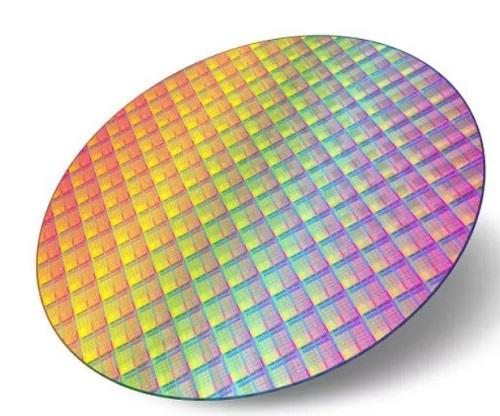
In the world of semiconductor fab, a single speck of dust—something you can’t even see—can ruin an entire batch of wafers. It’s a nightmare. So, when you need to add heat to a Class 100 environment, you can’t just throw in a standard heating element. Those things off-gas and shed particles like crazy. That’s why we stick with high-purity quartz infrared (IR) lamps.
Why the quartz matters
We use synthetic fused silica for these lamps. If you use the cheaper borosilicate glass, you’re going to deal with “outgassing,” which is basically the glass leaking chemicals into your clean air. The quartz envelope acts like a tight seal, locking the tungsten filament and halogen gas inside where they belong. The best part? You get radiative heat. It just beams right onto the target. No physical contact, no air blowing around, and no dust getting kicked up.
Designing for the real world
Space is always tight in these tools, so we focus on high power density. We want these things to ramp up fast. By keeping the IR energy in shortwave bands, the heat hits the substrate directly. It doesn’t waste time heating up the air in the chamber, which means your cooling systems don’t have to work overtime. We also spend a lot of time on the lead-in wire seals. A tiny gap is basically an open door for contaminants. We use a fused-glass transition so the seal stays put and doesn’t crack when the temperature swings up and down.
The tricky parts
Now, quartz is great, but it’s brittle. It handles the heat fine, but it hates being bumped or shaken. Here’s a tip: don’t overtighten your mounting brackets. If there’s no room for the tube to expand as it gets hot, it’ll just snap. You have to leave that perfect little gap. And one more thing. Because these lamps are so intense, they can actually “burn-in” organic coatings if the wafer is too close. You’ll want to double-check your focal distance based on the wattage so you don’t accidentally cook your surface.