
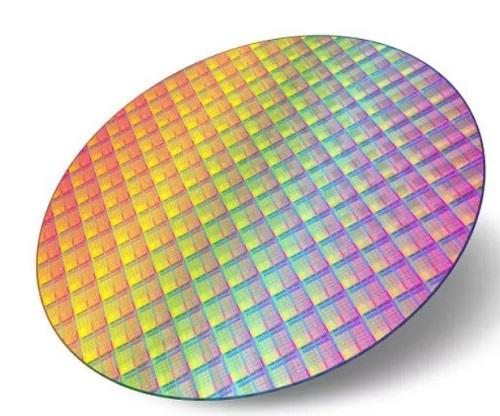
Getting Your Heat Right in a Smart Fab
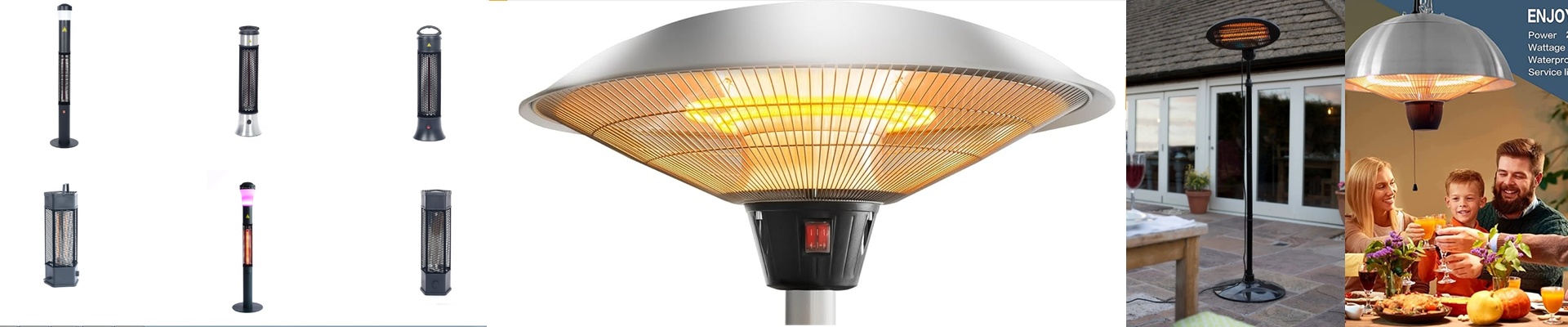
When you’re putting together a Smart Fab, everyone talks about data. But here’s the thing: your heating method can actually mess with that data. Old-school heating usually has this annoying lag—blind spots where you’re just guessing what’s happening. That’s why we lean on high-efficiency infrared (IR) systems. Instead of heating the air and hoping for the best, IR sends heat straight to the target. We build these to plug right into your digital controllers, so you can actually see a thermal map of what’s happening in real-time.
Instant Heat, No Waiting
IR is fast. Like, really fast. Think about a convection oven. You turn it on and wait minutes for it to stabilize. It’s a slog. With IR arrays, you can tweak your heat zones on the fly through your PLC. If a sensor picks up a temperature dip on a specific wafer or substrate, the system kicks in and ramps up the heat in milliseconds. No more wasting time or materials just waiting for the equipment to “warm up.” It just works.
The Nitty-Gritty: Housings and Heat
We use stainless steel for the heater housings. Why? Because in a cleanroom, you can’t have flakes or corrosion ruining your work. But you have to be careful with the build. The geometry has to be spot on. If your reflectors are off by even a few millimeters, you’re just leaking energy into the room. It’s a waste. One more thing: these high-wattage arrays put out some serious heat in a small space. Make sure your HVAC and cooling loops are up to the task. If they aren’t, you’ll be spending your afternoon chasing thermal alarms.
Why This Actually Matters
The best part? IR takes up way less room. When your heating stations shrink, you suddenly have space for more robotics or another inspection tool. Plus, when you wire everything into one data hub, you stop guessing. You know exactly how much energy is hitting your workpiece. It turns your thermal process into something you can actually track and mirror digitally, rather than just crossing your fingers and hoping the temperature is right.