
Stop Heating Your Machine and Start Heating Your Sensors
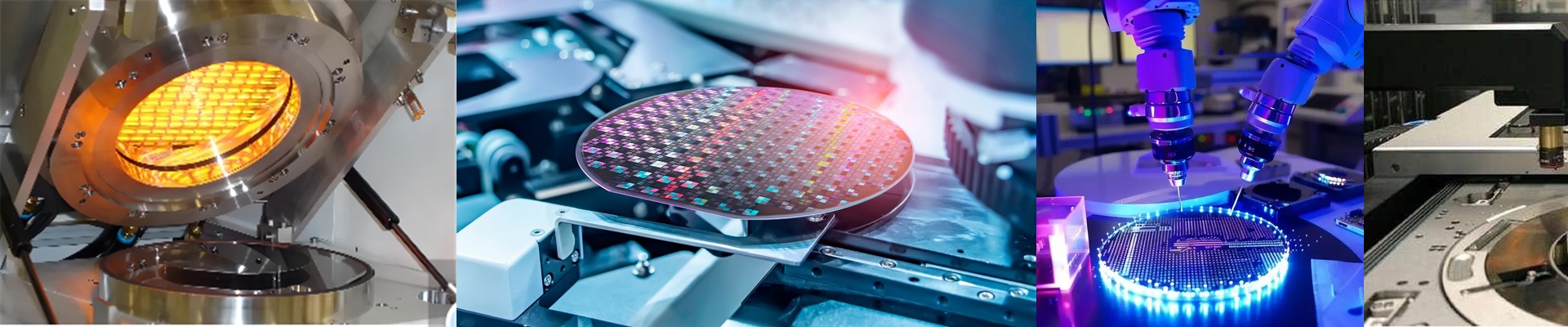
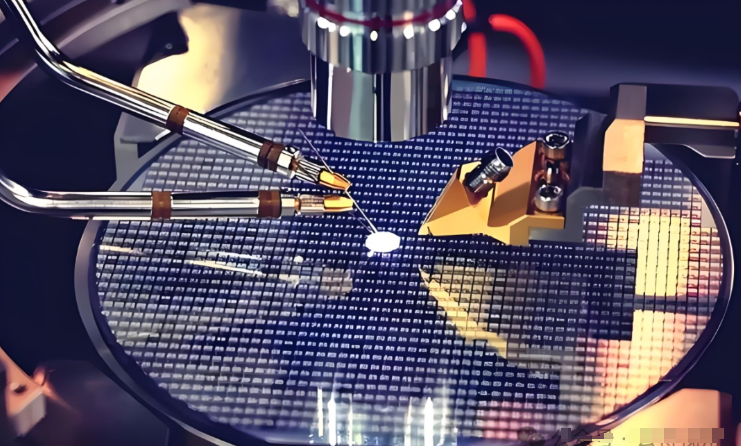
If you’ve ever built bio-sensors, you know the struggle. You need the heat to hit the substrate—and only the substrate. But here’s the problem: standard infrared lamps are messy. They throw heat in every single direction. In a tight semiconductor chamber, that wasted energy just bounces around until the inner walls turn into giant heat sinks. It’s a waste of power, sure, but it’s also a safety nightmare. There is nothing worse than a technician getting a nasty burn during routine maintenance because the chassis is radiating heat like an oven. Getting the heat where it actually belongs We handle this with directional infrared tech. Instead of letting the heat spray everywhere, we use specific reflectors and emitters to squeeze that IR energy into a tight, focused beam. It’s like switching from a floodlight to a flashlight. The thermal load stops hitting the housing and starts hitting the target. You still get those fast ramp-up speeds your materials need, but the tool itself stays chill. Why this actually matters for your gear When you stop “stray” heat from soaking into the walls, a few things happen. First, you don’t have to worry about the walls expanding from the heat and messing up your alignment. Precision is everything here, and thermal drift is a killer. Plus, your team stays safe. If the inner skin of the machine isn’t absorbing all that waste, the outer panels stay cool to the touch. Your techs can actually do their jobs without fearing a burn. The catch (because there’s always a catch) Now, focusing a beam this tight creates a lot of heat density. That’s great for efficiency, but it means you have to be careful. If your lamp is slightly off-center or the distance is wrong, you’ll end up with “hot spots” that can scorch your sample. Too close? You burn the sensor. Too far? You lose the focus and you’re back to heating the whole chamber again. The trick is to get your focal distance exactly right and pair it with a solid PID controller. That keeps the temperature steady and prevents any surprises.