

Why Stop Blowing Hot Air? A Better Way to Dry Wafers
If you’ve spent any time in older fab lines, you know the drill. You’ve got these massive systems just blowing hot air over wafers, waiting and hoping for the water to evaporate. It’s a simple setup, sure. But it’s painfully slow. Here’s the problem: air is just bad at moving heat. You end up burning a ton of energy heating up an entire chamber just to dry a thin layer of water on the surface. It feels like trying to dry a single plate by heating up your entire kitchen.
Cutting Out the Middleman
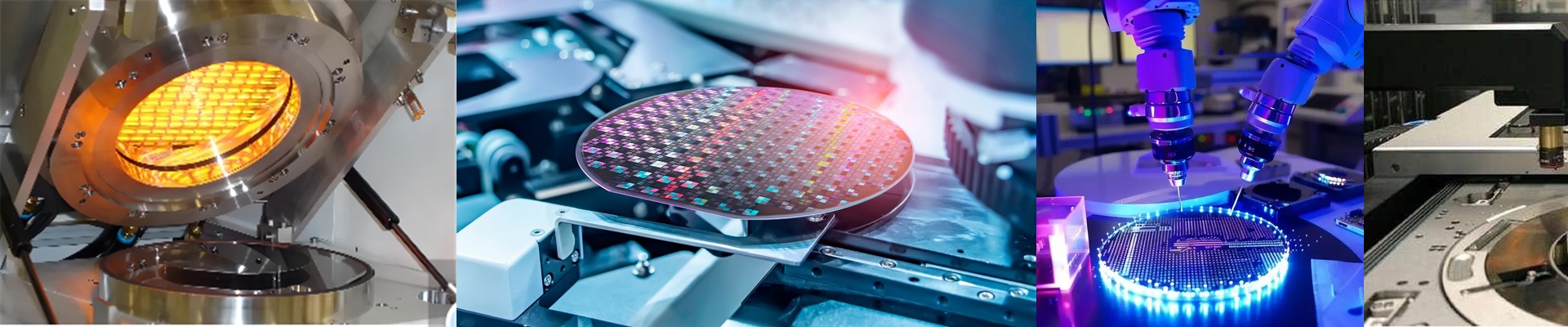
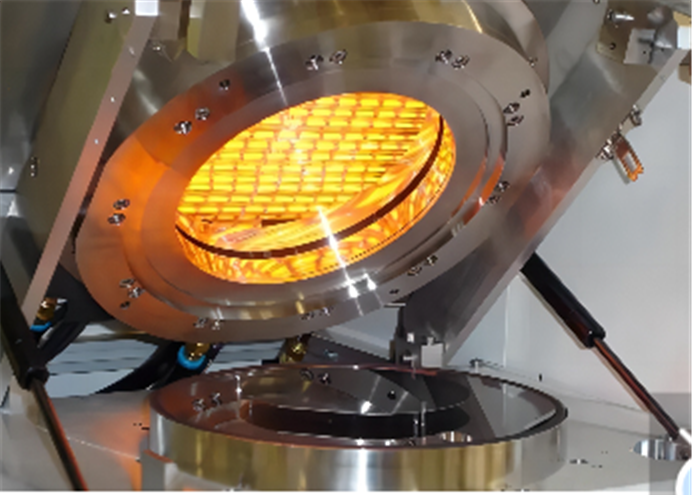
That’s where Infrared (IR) comes in. Instead of heating the air and hoping it reaches the wafer, IR goes straight for the water molecules. We use short-wave IR lamps to trigger evaporation almost instantly. We’re talking about moving from a drying cycle that takes minutes down to one that takes seconds.**Seconds.**That changes the whole rhythm of the floor. Plus, you don’t have to worry about “dead zones” or weird airflow patterns that leave some spots damp. IR delivers a steady, consistent hit of energy across the whole substrate. And because you aren’t blasting air around, you aren’t accidentally pushing dust and particles back onto your clean wafer.
More Speed, Less Clutter
Switching to IR isn’t just about the clock; it’s about the space. Forced air systems are bulky. They need giant blowers, endless ducting, and heavy heat exchangers. They take up way too much room. An IR array, on the other hand, is lean. It’s a compact module that usually slides right into the footprint you already have. And your electric bill will thank you. The lamps only draw power when they’re actually drying. You aren’t paying to keep a mountain of air hot 24/7.
The Catch: Respect the Heat
Now, I’ll be honest—IR is aggressive. If your timing is off or your distance is a bit too close, you can easily overheat the wafer or fry your sensitive photoresist. It’s not a “set it and forget it” tool. You need tight PID control and shutters that snap shut fast to keep the heat load in check. You also have to be smart about your cooling. If you don’t account for the radiant heat that misses the wafer, you’ll end up baking your own sensors. It takes a bit more precision to set up, but the payoff in throughput is worth the effort.