
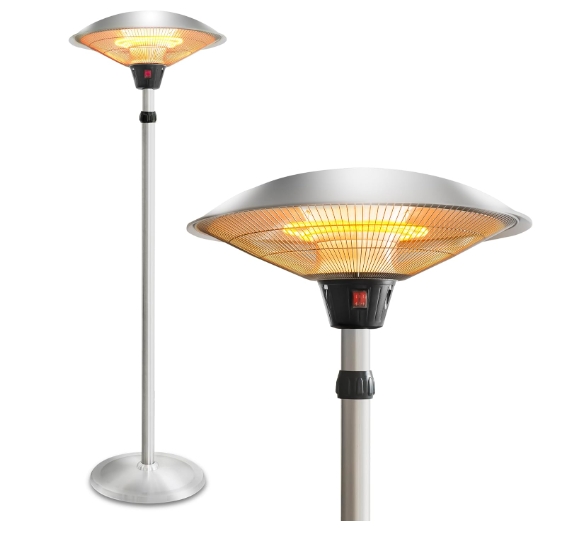
Don’t Get Zapped: Keeping Your Wet-Zone Heaters Safe
Putting infrared lamps in a bathroom or a damp garden is a bit of a tightrope walk. You’ve got high voltage on one side and conductive moisture on the other. Just slapping a waterproof shell on the thing isn’t enough. To actually keep people safe, you have to obsess over where the heating element meets the frame.
The battle against steam
You’ll see “IP65” thrown around a lot. Basically, it means the unit can handle dust and a few splashes of water. We use silicone gaskets and tempered glass to keep the steam out. Here’s the problem: if even a little moisture sneaks inside, it creates a bridge between the live wires and the metal case. That’s a recipe for a ground fault. Not great. To stop that, we don’t use standard PVC wiring—it would just melt under the heat of an infrared lamp. Instead, we go with fluoropolymer insulation. It stays tough and keeps the electricity where it belongs, even when the lamp is cranking out max heat.
Watching the connections
Most of these systems fail at the connection point. It’s just where things get messy. We use ceramic insulators for the lamp holders because they stop arcing. No metal-to-metal contact, period. Plus, we always wire these into a GFCI. It’s your safety net. If a seal ever gives way and a leak happens, the power cuts out in milliseconds before anyone even notices.
The heat trap
There’s a catch, though. When you seal a heater tight enough to keep water out, you’re also trapping the heat inside. The infrared rays go outward to warm you up, but the internal wires are basically sitting in an oven. You can’t just seal it and walk away. We actually oversize the wire gauge to handle that extra heat resistance. If you go too thin on the wiring, the insulation gets brittle and cracks. And once that happens, your safety rating is gone.