

Getting More Heat Where It Actually Matters
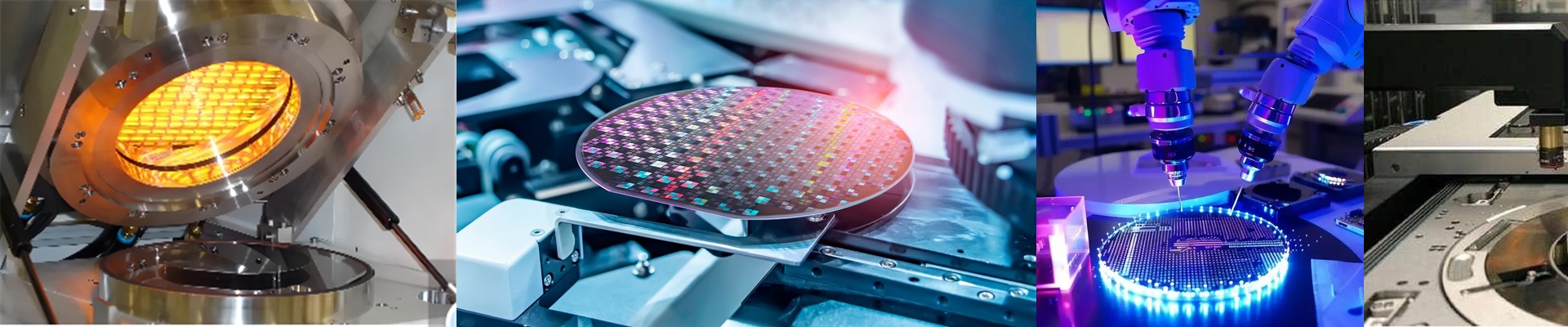
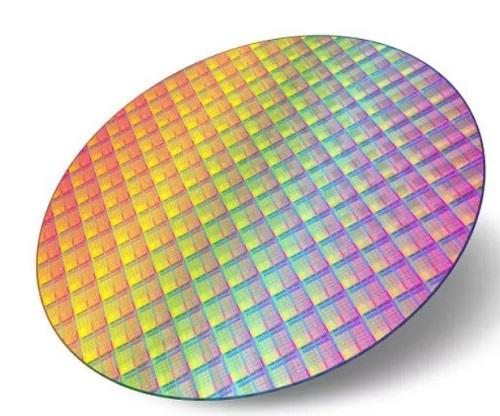
When you’re curing wafers, you don’t want to waste power. It’s that simple. You want every bit of infrared energy hitting the substrate, not bleeding into the machine chassis and heating up the room. Most people start with aluminum, and sure, it reflects some heat. But if you want the real deal for short-wave and medium-wave IR, gold is the way to go. We’re talking about reflectance levels over 98%. Here’s why that actually matters. Lamps are messy. They throw radiation in every direction, including places you don’t need it. A gold-coated reflector catches that backward-firing energy and shoves it right back onto the wafer. It’s not just some vague “efficiency” boost. You’re literally increasing the watts per square centimeter hitting your target. The best part? You can actually turn down the lamp’s total wattage but still keep the wafer at the exact same temperature. But there’s a catch. We design these to fit into tiny spaces, and while the jump in heat density is huge, it puts a lot of stress on the housing. If you’re cranking up the reflected flux, you’ve got to make sure your cooling fans or water-jackets can keep up. If you ignore the heat buildup around the lamp ends, you’ll fry your connectors and kill your lamps way faster than you should. What this looks like on the line Once you get a gold-coated system wired up, you’ll feel the difference in the ramp-up time. It’s fast. Really fast. Because the energy is so concentrated, the wafer spends less time in the heating zone. This solves that annoying problem where the edges of the wafer get over-cured while the center is still trying to catch up. Just one tip: keep it clean. I can’t stress this enough. A tiny bit of dust or some residue from outgassing on that gold surface will tank your reflectance. Suddenly, you’ve got hot spots on your wafers and a system that isn’t performing. Keep a strict cleaning schedule, and you’re golden.