

Why Infrared is Winning the Hydrogen Sensor Game
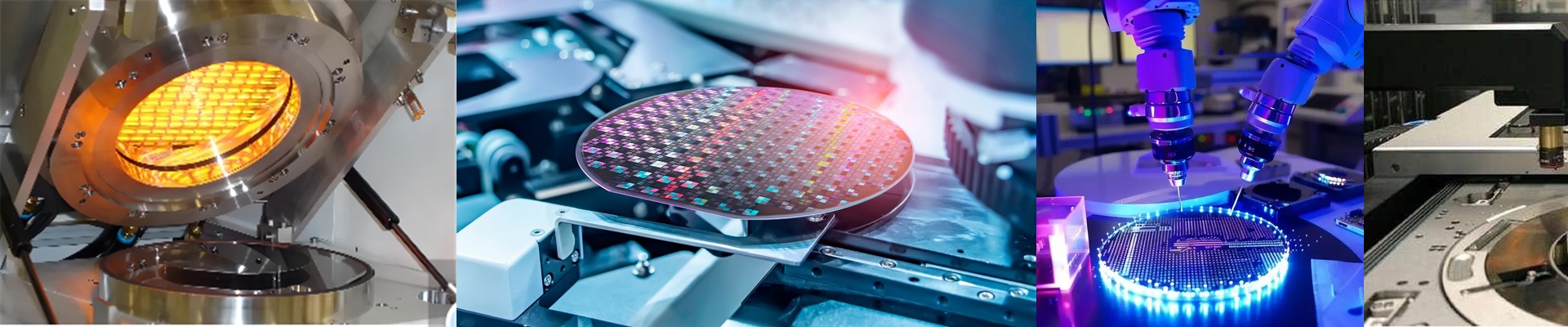
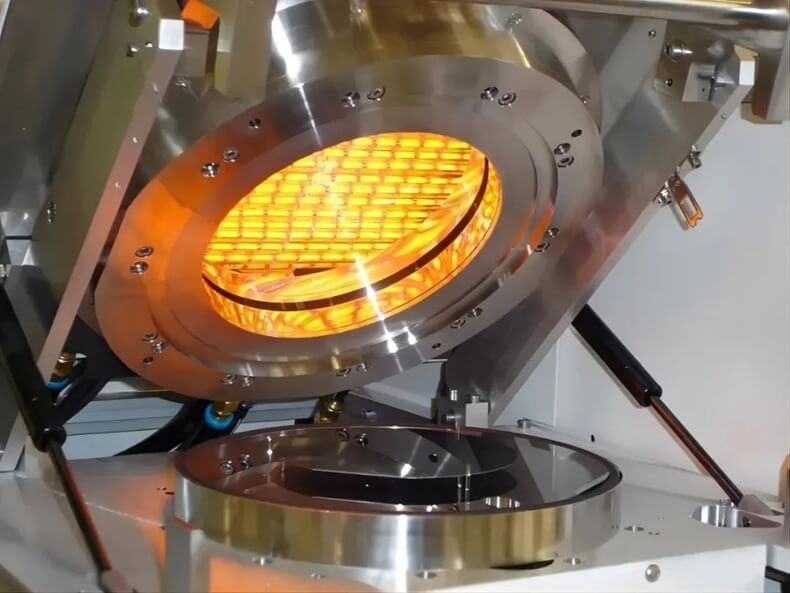
Making hydrogen sensors is all about the heat. You need that thermal processing to be spot-on to get the sensing materials to actually stabilize. But here’s the problem: most shops are still using old-school hot air ovens. It’s a slow process. You’re basically spending half your time heating up the air in the room before the part itself even feels a thing. It’s a waste of time, plain and simple. The lag is killing your output. When you rely on convection, you’re playing a waiting game. Heat the air, then the air heats the sensor. In the world of semiconductor processing, that lag is a nightmare. It’s a bottleneck that slows everything down. IR heating changes the math. It skips the air entirely. The energy goes straight from the lamp to the sensor substrate via radiation. We’re talking about ramp-up times that drop from minutes to seconds. It’s fast. Really fast. And that changes everything for your workflow. Now, it’s not as simple as just swapping out a heater and calling it a day. You’re dealing with a lot of energy in a very small space. If your lamp spacing is slightly off, you’ll get hotspots. If you aren’t careful with your shielding and distance, you’ll end up scorching the edges of your sensors. It takes a bit of tinkering to get the setup right. But once you have it? It’s a different world. IR lamps snap on and off almost instantly. You can pulse the heat, which lets you keep a incredibly tight temperature window. This is huge because it keeps those sensitive hydrogen-sensing layers from degrading. For anyone trying to scale up, IR is the way to go. It replaces those bulky, humming ovens with something lean and responsive. Your sensors stop idling in a warming chamber and start moving toward final testing. More parts out the door, less time wasted. That’s the real win.